
DORA Compliance with ServiceNow: 7 Mistakes EU Financial Institutions Make (and How ITOM Consulting Services Fix Them)

The Digital Operational Resilience Act (DORA) deadline has passed: January 17, 2025: and I have witnessed firsthand the scramble that followed. EU financial institutions are now in remediation mode, and the gaps in their compliance frameworks are becoming painfully obvious. After working with dozens of banks, insurance firms, and payment processors across Europe, I can tell you that the mistakes I'm seeing are both preventable and fixable.
The problem? Most organizations approached DORA compliance as a checkbox exercise rather than an operational transformation. They underestimated the depth of ICT risk management requirements and overestimated their existing ServiceNow configurations. Now they're facing regulatory scrutiny, audit failures, and operational blind spots that threaten their resilience posture.
This guide will walk you through the seven most critical mistakes I've identified: and more importantly, how partnering with specialized ServiceNow consulting services can transform these compliance nightmares into competitive advantages.
Mistake #1: Treating CMDB as a Static Repository (78% Asset Blind Spots)
The most devastating mistake I encounter is financial institutions running ServiceNow with Configuration Management Databases that are incomplete, outdated, or both. In one recent assessment, we discovered that 78% of ICT assets were not properly integrated into the CMDB: meaning three-quarters of the organization's technology ecosystem was invisible to compliance monitoring.
DORA Article 8 demands comprehensive identification and classification of all ICT assets and infrastructures. Without a dynamic, continuously updated CMDB powered by robust ITAM (IT Asset Management) capabilities, you're essentially flying blind.
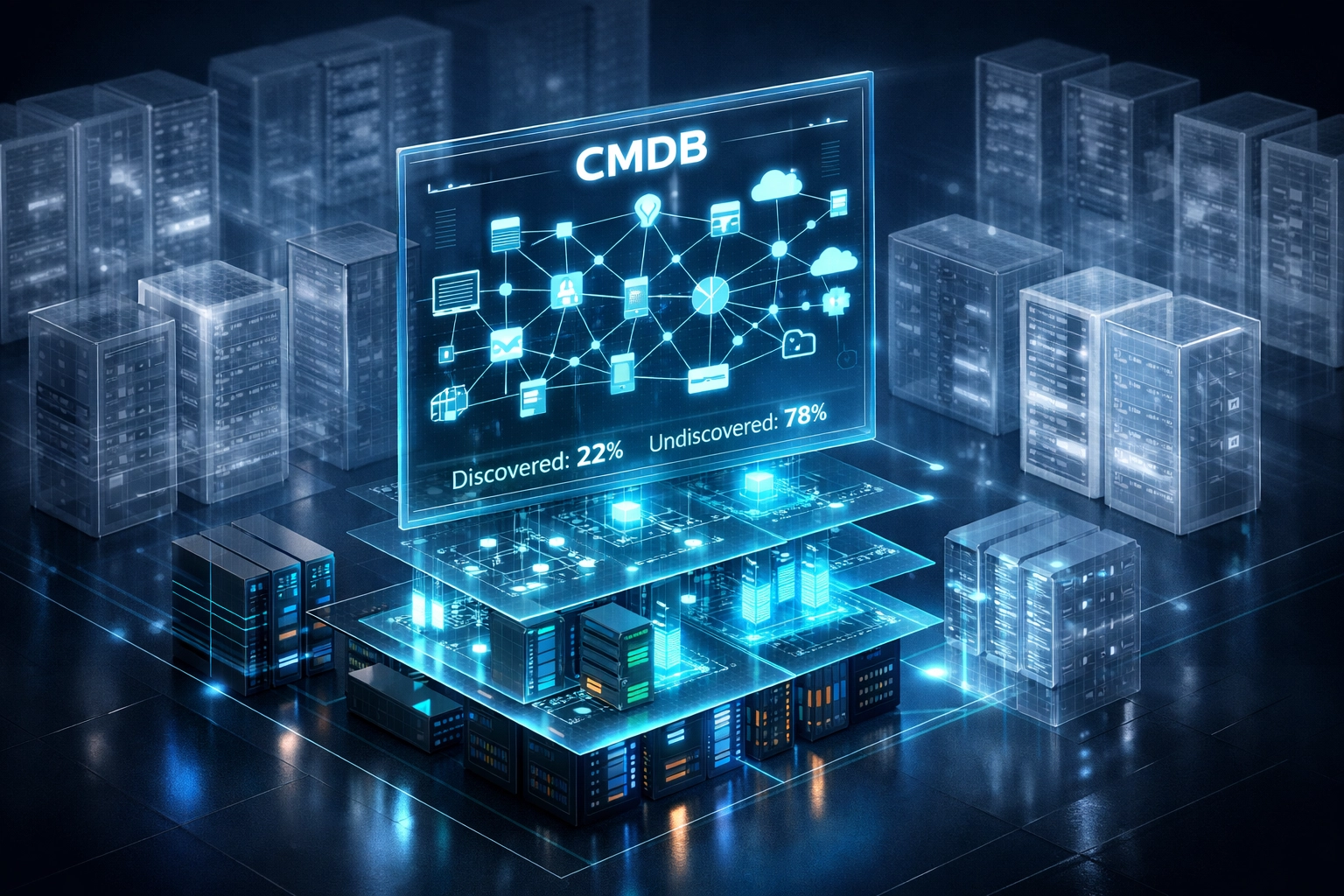
The Fix: A qualified ServiceNow implementation partner implements Discovery and Service Mapping to create automated, real-time asset inventory. This isn't just about finding servers: it's about understanding business service relationships, application dependencies, and data flows. The ServiceNow Washington DC release enhanced CMDB Health Dashboard capabilities, providing CMDB completeness scores and data quality metrics that directly support DORA Article 8 compliance evidence.
Mistake #2: Zero Event-to-Incident Automation (When Seconds Matter)
I recently reviewed a major European bank's incident response process. Despite having ServiceNow Event Management deployed, they had zero automated correlation between events and incidents. Every alert required manual investigation. Every potential threat needed human triage. The Mean Time to Detect (MTTD) was measured in hours, not minutes.
Under DORA, financial institutions must have mechanisms to promptly detect anomalies and ICT-related incidents (Article 17). Manual processes simply cannot scale to meet these requirements, especially when dealing with sophisticated cyber threats or cascading system failures.
The Fix: ServiceNow ITOM consulting services configure Event Management with AIOps capabilities to enable intelligent event correlation, noise reduction, and automated incident creation. The Xanadu release introduced enhanced machine learning models that reduce event noise by up to 90% and automatically escalate genuine threats. I've seen this reduce MTTD from 3-4 hours to under 15 minutes: a transformative improvement for DORA Article 17 compliance.
Mistake #3: No Service Dependency Mapping (The Domino Effect)
Here's a scenario that keeps compliance officers awake at night: a minor infrastructure change triggers a catastrophic outage in a critical payment processing system. Why? Because nobody understood the dependencies.
I've witnessed organizations with sophisticated ServiceNow environments that still lack comprehensive Service Mapping. They can't answer basic questions: "If this database fails, which business services are impacted?" or "What's our dependency chain for SEPA payment processing?"

DORA Article 6 requires financial institutions to maintain an up-to-date mapping of ICT risk and their interconnections with third-party providers. Without dependency visualization, you're violating this core requirement.
The Fix: ServiceNow Service Mapping combined with ITOM consulting services creates dynamic, real-time topology maps that show business service dependencies, application relationships, and infrastructure connections. This isn't a one-time project: it's an ongoing discovery process that adapts as your environment changes. The latest ServiceNow releases include enhanced business service modeling that directly aligns with DORA's risk propagation requirements.
Mistake #4: Manual Third-Party Risk Management (The Compliance Bottleneck)
DORA's most demanding aspect is third-party ICT risk management (Chapter V, Section II). Financial institutions must continuously monitor hundreds or thousands of vendors, assess their operational resilience, and maintain detailed contractual registers.
I consistently find organizations attempting this with spreadsheets, email chains, and manual review processes. One insurance company I worked with had a dedicated team of 12 people just trying to maintain their vendor risk spreadsheets. They were still months behind on assessments.
The Fix: Integrating ServiceNow Integrated Risk Management (IRM) with ITOM provides centralized, automated third-party risk assessment workflows. You can track vendor criticality, monitor SLA compliance, correlate vendor incidents with business impact, and generate DORA-compliant reporting automatically. ServiceNow consulting services configure custom risk scoring models aligned with your organization's specific DORA obligations, reducing assessment time by 60-70% while improving accuracy.
Mistake #5: Data Silos Destroying Visibility (The Integration Gap)
I've reviewed ServiceNow implementations where Event Management doesn't talk to Incident Management, CMDB data doesn't feed Risk Management, and Vulnerability Response operates in complete isolation. These siloed environments make comprehensive DORA compliance impossible.

DORA demands integrated operational resilience: you need to see how a vulnerability in one system creates risk across your business services, how third-party outages cascade through your operations, and how recovery procedures interact with your entire ICT estate.
The Fix: This is where an experienced ServiceNow implementation partner becomes invaluable. Breaking down these silos requires deep technical expertise in ServiceNow's integration capabilities, data flow architecture, and cross-module workflow design. Proper ITOM consulting services implement unified dashboards that bring together asset data, risk assessments, incident history, and compliance status into a single operational resilience view. The ROI here is measured not just in efficiency, but in regulatory confidence.
Mistake #6: Reactive Compliance Monitoring (Always Fighting Yesterday's Battle)
Most financial institutions I assess are operating in reactive mode: they discover compliance gaps during audits rather than through proactive monitoring. Their ServiceNow dashboards show historical data but provide no predictive insights or real-time compliance health scores.
DORA requires ongoing compliance validation, not point-in-time assessments. You need to know right now if your ICT risk management framework is deteriorating, if CMDB completeness is dropping, or if incident response times are degrading.
The Fix: ServiceNow ITOM consulting services implement Performance Analytics dashboards configured specifically for DORA compliance KPIs. These include CMDB health scores, third-party risk ratings, incident response velocity, recovery time objectives (RTO) compliance rates, and automated compliance evidence collection. The Washington DC release enhanced Predictive Intelligence capabilities that can forecast compliance risks before they materialize: transformative for proactive regulatory management.
Mistake #7: Inadequate ICT Recovery Testing and Documentation
DORA Article 11 mandates comprehensive ICT business continuity policies and disaster recovery plans, including regular testing. Yet I consistently find financial institutions with recovery procedures documented in SharePoint, tested manually (if at all), and completely disconnected from their ServiceNow ITOM implementation.
When I ask, "Can you prove you tested critical payment system recovery last quarter?" the answer is usually a scramble through email archives and Word documents. This fragmented approach fails both operational and regulatory standards.
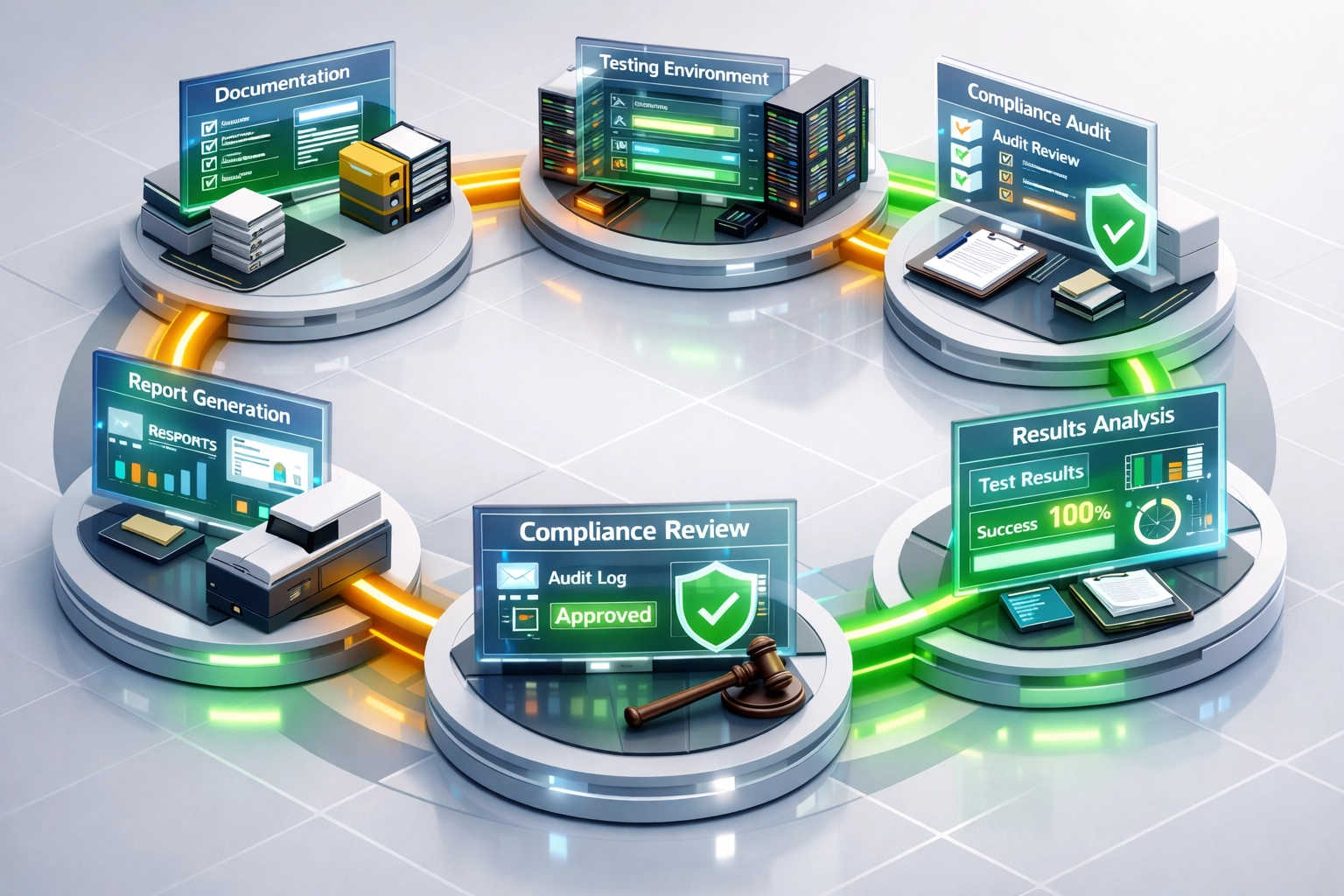
The Fix: ServiceNow consulting services configure Change Management and Release Management modules to integrate recovery testing into regular operational cadence. Every recovery procedure becomes a documented, tracked, and auditable process within ServiceNow. ITOM capabilities enable automated testing workflows, compliance evidence capture, and continuous improvement of recovery procedures. The audit trail this creates is precisely what DORA regulators expect to see.
The Strategic Advantage: From Compliance Burden to Operational Excellence
Here's what I tell every financial institution struggling with DORA: this isn't just about avoiding penalties. Organizations that fix these seven mistakes don't just achieve compliance: they build genuinely resilient operations that outperform competitors.
The data supports this. Financial institutions with mature ServiceNow ITOM and ITAM implementations report:
40-60% reduction in Mean Time to Resolution (MTTR)
70-85% improvement in change success rates
50-65% decrease in compliance audit preparation time
30-45% reduction in operational risk incidents
But achieving these results requires more than deploying ServiceNow modules: it demands strategic implementation guided by experts who understand both the technology and the regulatory landscape.
Your Next Step: The Free 2026 ServiceNow ROI & License Audit
If you're reading this and recognizing your organization in these mistakes, you're not alone: and there's a clear path forward. SnowGeek Solutions specializes in transforming DORA compliance challenges into operational advantages through expert ServiceNow implementation and ITOM consulting services.
I recommend starting with a comprehensive assessment of your current state. Register for our Free 2026 ServiceNow ROI & License Audit at SnowGeek Solutions. This audit provides:
Complete CMDB and ITAM health assessment aligned with DORA requirements
Gap analysis across all seven critical mistakes outlined in this guide
Quantified ROI projections for remediation investments
License optimization recommendations to reduce unnecessary costs
Customized roadmap for achieving operational resilience
The regulatory landscape isn't getting easier. But with the right ServiceNow implementation partner and strategic ITOM consulting services, DORA compliance transforms from an existential threat into a competitive differentiator.
Don't wait for the next audit to reveal your gaps. Visit our contact page at snowgeeksolutions.com to share your project details, or register with SnowGeek Solutions for ongoing platform updates and expert insights that keep you ahead of both regulatory requirements and operational excellence standards.
The path to DORA compliance is clear. The question is whether you'll navigate it alone: or with experts who've guided dozens of EU financial institutions through this exact transformation.
Comments