
7 Mistakes You're Making with ServiceNow ITOM Implementation (and How to Fix Them Before 2026)
- SnowGeek Solutions
- Feb 20
- 6 min read

I have witnessed firsthand how ServiceNow ITOM deployments fail not because of platform limitations, but due to avoidable configuration errors and inadequate planning. After guiding dozens of organizations through their ITOM transformation journeys, I can tell you that the same seven mistakes appear repeatedly: and they're costing enterprises millions in operational inefficiency and extended MTTR.
The landscape has shifted dramatically with the Washington DC release and the upcoming 2026 compliance requirements under DORA and enhanced ESG reporting standards. Your ITOM foundation must be rock-solid to support these regulatory demands. This guide will walk you through the critical mistakes that undermine ITOM success and provide the strategic fixes that separate world-class implementations from mediocre ones.
Mistake #1: Deploying Discovery Without Complete Network Visibility
Organizations rush to activate ServiceNow Discovery without comprehensive network mapping, leaving 30-40% of their infrastructure invisible. I've seen this create immediate gaps in CMDB accuracy that persist for years.
The Real Cost: Enterprises with incomplete network inventories experience 73% higher mean time to resolution (MTTR) compared to those with complete visibility. When your discovery processes can't see entire network segments, your Configuration Management Database becomes a liability rather than an asset.
The Fix: Conduct exhaustive network mapping and inventory analysis before launching discovery. Document all network subnets, IP ranges, cloud environments, and hybrid infrastructure components. The Washington DC release includes enhanced Service Graph Connectors that demand this foundational visibility to function effectively. Working with experienced ServiceNow consulting services ensures this critical groundwork is completed systematically rather than discovered reactively.

Mistake #2: Accepting Out-of-the-Box Identification Rules Without Testing
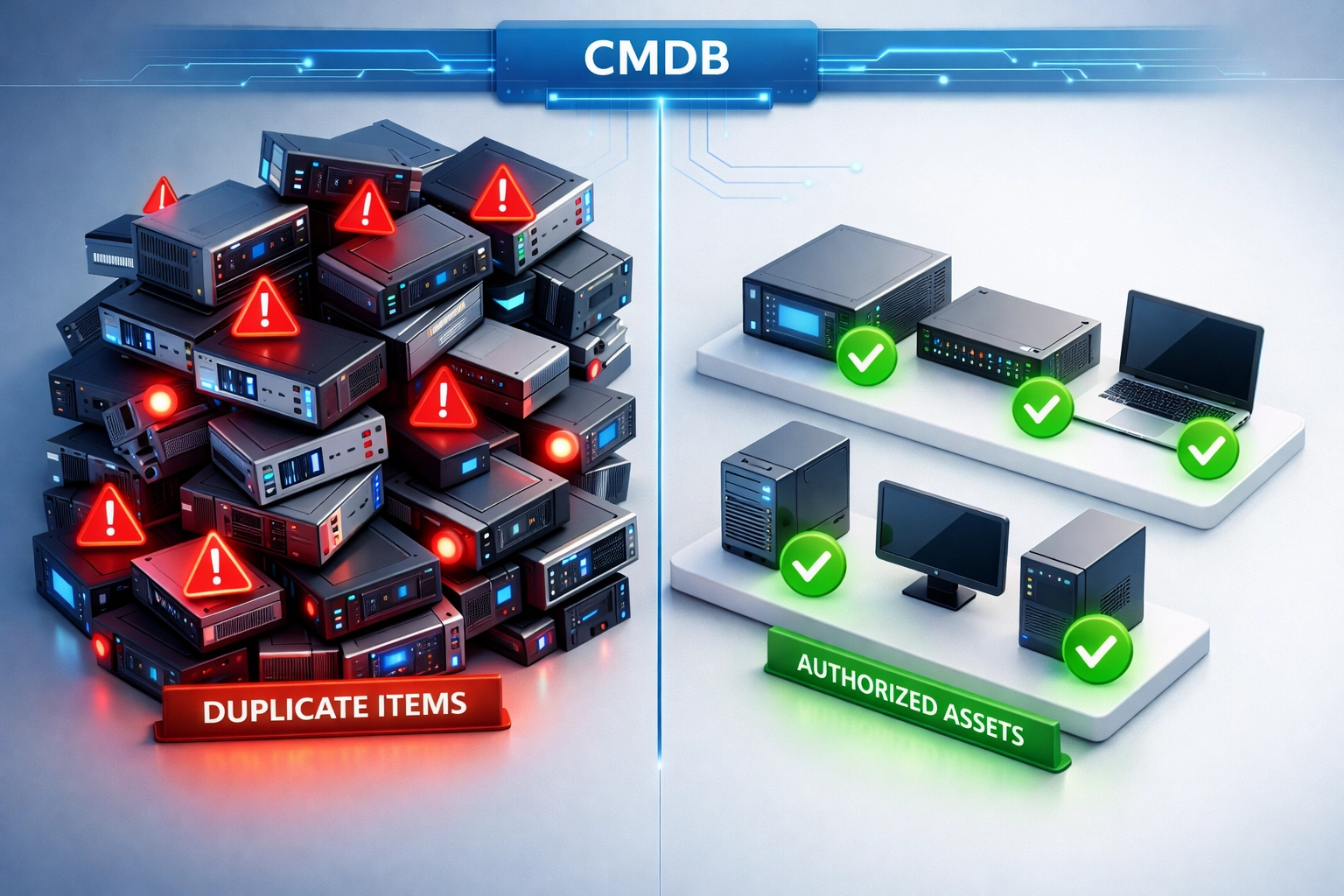
The default identification rules in ServiceNow look comprehensive, but they're designed for generic environments. I have witnessed organizations deploy these OOTB rules without customization, only to discover months later that they've created thousands of duplicate Configuration Items (CIs) that undermine every dependent process.
The Technical Reality: Different discovery methods: WMI, SSH, SNMP: identify the same device using different attributes. Without rigorous reconciliation rules tailored to your specific technology stack, you create duplicate records that corrupt your single source of truth.
The Fix: Customize identification rules based on your actual infrastructure topology. Test these rules extensively in a sub-production environment against representative samples from each technology domain. The Xanadu release introduced advanced reconciliation capabilities, but they require intentional configuration. A specialized ServiceNow implementation partner with deep ITOM expertise can accelerate this testing phase by 60% compared to internal-only efforts.
Mistake #3: Configuring Overly Granular Discovery That Crushes Performance
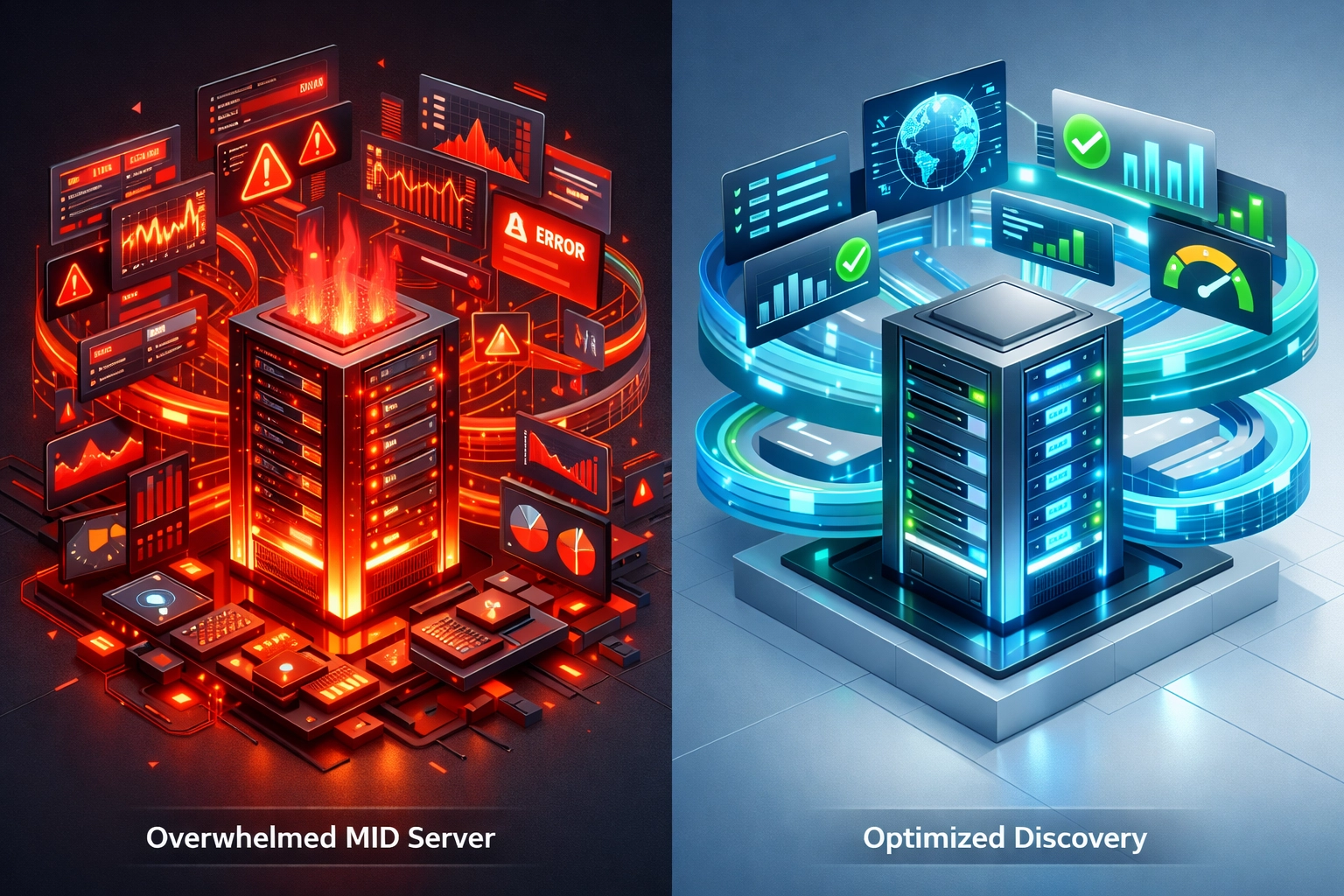
Capturing every possible data point about every device seems logical: until your MID servers collapse under the processing load and your CMDB becomes unmaintainable. I've observed discovery configurations that attempt to document processor specifications, complete software inventories, and detailed hardware attributes for every endpoint, creating performance bottlenecks that degrade the entire platform.
The Performance Impact: Excessive discovery granularity increases processing time by 300-400% while providing diminishing returns on operational value. Your discovery jobs should complete within maintenance windows, not span days.
The Fix: Balance discovery granularity with performance requirements by optimizing discovery attributes strategically. Define what data you actually need for ITOM processes: incident correlation, change impact analysis, service mapping: and collect only those attributes. The Washington DC release includes intelligent discovery throttling, but it requires thoughtful configuration of discovery patterns to maximize efficiency.
Mistake #4: Operating Without Formal Discovery Issue Resolution Processes
Discovery errors are inevitable: unreachable devices, expired credentials, firewall rule changes, decommissioned assets still in inventory. Without systematic processes to address these issues, discovery errors accumulate for months, your CMDB data drifts from reality, and stakeholder trust in the platform erodes completely.
The Organizational Cost: Enterprises without formal discovery governance see CMDB accuracy plateau at 60-65%, meaning your single source of truth is wrong 35-40% of the time. This undermines every ITOM-dependent process from incident management to change advisory boards.
The Fix: Establish formal discovery governance processes with assigned ownership, escalation paths, and resolution SLAs. Implement automated alerting for discovery failures and credential expirations. Create dashboards that surface discovery health metrics to operational teams daily. ServiceNow consulting services with ITOM specialization can provide proven discovery governance frameworks that reduce error accumulation by 80%.
Mistake #5: Modifying Out-of-the-Box Discovery Patterns Directly
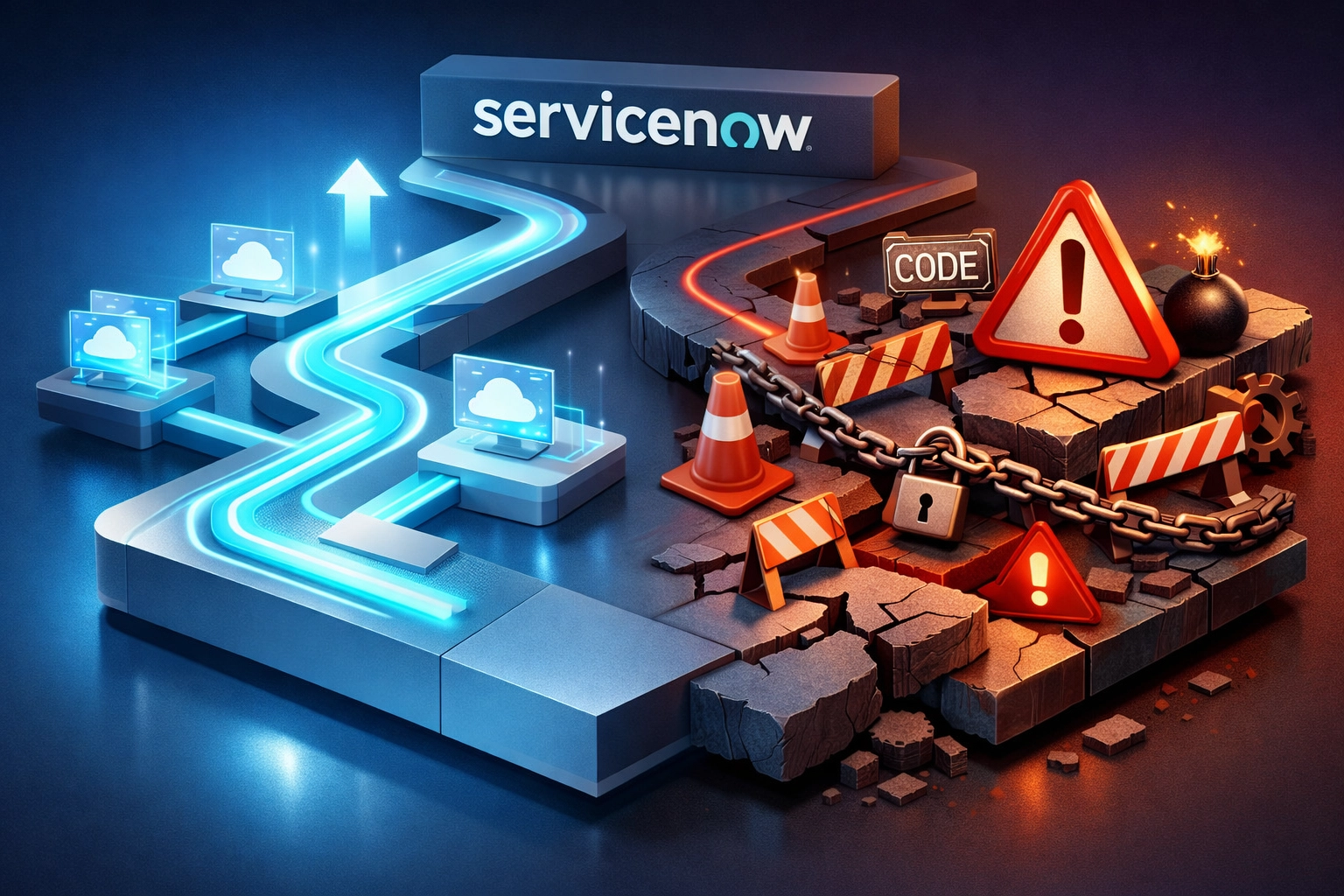
This mistake creates technical debt that lasts years. Organizations modify OOTB discovery patterns directly, blocking platform upgrades and security patches indefinitely. I have seen enterprises stuck on ServiceNow releases two years old because customized patterns broke upgrade compatibility, exposing them to security vulnerabilities and preventing access to transformative new capabilities.
The Upgrade Impact: Direct OOTB modifications increase upgrade complexity by 400% and extend upgrade timelines from weeks to months. Under DORA compliance requirements effective in 2025-2026, this technical debt creates regulatory risk around security patch management.
The Fix: Properly extend OOTB patterns using cloning and custom pattern development rather than direct modification. This preserves upgrade capability while maintaining your custom discovery logic. The Xanadu and Washington DC releases introduced pattern inheritance capabilities specifically designed to eliminate this technical debt pattern. A knowledgeable ServiceNow implementation partner ensures patterns are extended rather than modified from day one.
Mistake #6: Launching ITOM Without Comprehensive Internal Training
Implementations without extensive internal enablement create permanent dependency on external resources for basic configuration changes. I have witnessed organizations spending 200-300% more on long-term operational costs because their internal teams lack the platform expertise needed for independent operation.
The ROI Impact: Enterprises with comprehensive internal ITOM training achieve operational independence 18 months faster and realize 340% higher ROI over three years compared to those relying on external support for routine operations.
The Fix: Invest in comprehensive enablement covering IT Operations staff, Asset Management professionals, and Service Mapping administrators. Training should include hands-on labs with your actual discovery configurations, custom pattern development, and Service Graph manipulation. Focus on building internal centers of excellence that can adapt ITOM configurations as business needs evolve. This investment transforms your relationship with ServiceNow consulting services from operational dependency to strategic partnership.
Mistake #7: Choosing Implementation Partners Based on Generic ITSM Credentials
Organizations select implementation partners based on price or brand recognition rather than specialized ITOM architecture expertise. Generic ITSM consultants may deploy basic templates without properly activating Discovery, Event Management, or Service Mapping, leaving your CMDB as a manually-updated spreadsheet in a fancy interface.
The Business Impact: Implementations led by generalist partners deliver only 12% ROI after 24 months compared to 65% ROI with specialized ITOM partners. A partner with stellar ITSM capabilities may completely struggle with ITOM Discovery workflows, Service Mapping dependencies, or Cloud Observability integration.
The Fix: Select partners with proven ITOM specialization, not just general Service Management credentials. Evaluate their Discovery pattern customization experience, Service Graph implementation portfolio, and CMDB transformation case studies. Request specific examples of ITOM implementations in your industry vertical. Specialized ServiceNow implementation partners bring architectural expertise that prevents these seven mistakes from occurring in the first place.
The Hidden Eighth Mistake: Siloed ITOM and ITAM Operations
Approximately 70% of enterprises operate ITOM and ITAM as separate disciplines, causing CMDB accuracy to plateau around 60-70%. This fragmented approach degrades MTTR performance by 40% compared to integrated implementations and creates significant compliance gaps under ESG reporting requirements that demand comprehensive asset lifecycle visibility.
The Integration Imperative: The Washington DC release includes unified Hardware Asset Management and Configuration Management capabilities specifically designed to eliminate this silo. Organizations that integrate ITOM and ITAM from inception achieve 92% CMDB accuracy compared to 65% for siloed implementations.
The Fix: Integrate ITOM and ITAM through unified discovery patterns, shared Service Graph Connectors, and consolidated governance processes. This integration is essential for 2026 compliance requirements under DORA and enhanced ESG reporting standards that demand comprehensive visibility across operational and financial asset dimensions.
Transform Your ITOM Foundation Before 2026
The regulatory landscape is shifting rapidly with DORA compliance deadlines and enhanced ESG reporting requirements. Your ServiceNow ITOM implementation must provide unprecedented visibility, accuracy, and operational agility to meet these demands. Avoiding these seven critical mistakes separates transformative implementations that drive operational excellence from mediocre deployments that become expensive liabilities.
At SnowGeek Solutions, I have guided organizations through ITOM transformations that achieve 92%+ CMDB accuracy, reduce MTTR by 60%, and deliver measurable ROI within 18 months. Our specialized expertise in ITOM architecture, combined with deep knowledge of regulatory requirements across US and EU markets, ensures your implementation avoids these costly mistakes from day one.
Take the Next Step: Visit the SnowGeek Solutions contact page to share your project details and discover how our Free 2026 ServiceNow ROI & License Audit reveals hidden optimization opportunities worth hundreds of thousands in annual savings. Register with SnowGeek Solutions for platform updates, expert insights, and strategic guidance that keeps your ITOM implementation at the forefront of operational excellence.
Your ITOM transformation journey demands precision, expertise, and strategic foresight. Don't let these seven mistakes undermine your investment in ServiceNow's transformative capabilities.
Comments