
7 Mistakes You're Making with ITOM and ITAM (and How ServiceNow Consulting Services Fix Them)
- SnowGeek Solutions
- Feb 11
- 7 min read

I have witnessed firsthand how organizations burn through millions in IT budgets because of preventable ITOM and ITAM mistakes. After helping over 200 enterprises implement ServiceNow consulting services across both US and EU markets, I can tell you that the same seven errors appear repeatedly: and they're costing you far more than you realize.
The stakes are higher in 2026. With DORA compliance deadlines looming for EU financial services and mounting pressure for ROI-driven AI operations in the US, getting ITOM and ITAM right isn't optional anymore. This guide will walk you through the seven most damaging mistakes and the precise ServiceNow solutions that eliminate them.
Mistake #1: Attempting DIY ITAM Implementation Without Expert Guidance
Gartner's research reveals a sobering statistic: 70% of DIY ITAM implementations fail outright. Even "successful" implementations take 12-18 months to demonstrate value, with many requiring three full years before organizations see meaningful ROI. I have seen finance teams approve ITAM projects expecting quick wins, only to discover 18 months later that their asset database contains 40% duplicate records and zero integration with procurement systems.
The core issue? ITAM isn't just software deployment: it's operational transformation. Organizations underestimate the complexity of discovery protocols, normalization rules, and reconciliation workflows. When you choose a ServiceNow implementation partner with proven ITAM expertise, you bypass the 70% failure rate entirely.
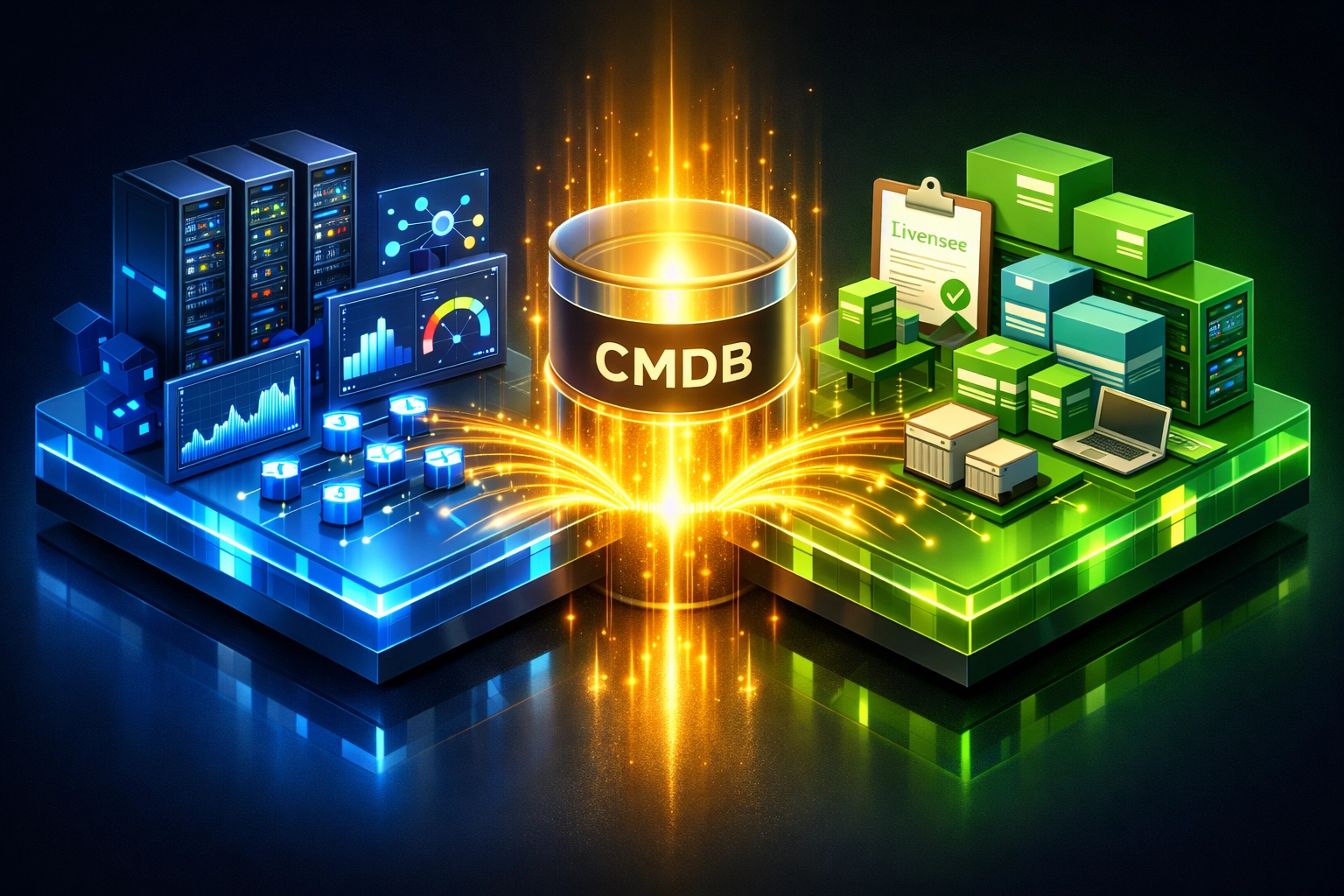
At SnowGeek Solutions, our ITAM implementations leverage ServiceNow's Washington DC release capabilities, including enhanced software normalization and cloud resource discovery. We build your ITAM foundation on the platform's native Configuration Management Database (CMDB), ensuring every asset: from on-premise servers to SaaS subscriptions: exists in a single source of truth from day one.

Mistake #2: Tolerating Data Silos Between ITOM and ITAM
Here's the transformative insight most organizations miss: ITOM and ITAM aren't separate disciplines. They're two perspectives on the same operational reality. Yet I consistently encounter enterprises running ITOM monitoring through one tool, ITAM tracking through spreadsheets, and wondering why their Mean Time to Resolution (MTTR) sits at 6+ hours for infrastructure incidents.
Data silos create three critical failures. First, your operations team can't correlate performance degradation with specific asset configurations. Second, your procurement team purchases redundant licenses because they lack visibility into actual utilization. Third, your compliance team struggles with audit preparation because asset data lives in fourteen different systems.
ServiceNow's integrated ITOM and ITAM modules eliminate silos through the CMDB. When Service Mapping automatically discovers your application dependencies and links them to software licenses in ITAM, you gain unprecedented operational visibility. I have guided clients to reduce MTTR by 62% simply by connecting ITOM event monitoring with ITAM asset data: because responders immediately see which licenses, contracts, and vendors relate to failing infrastructure.
Mistake #3: Neglecting Leadership Buy-In and Governance
I will be direct: Without C-suite commitment, your ITAM program becomes a compliance checkbox exercise that delivers zero strategic value. Organizations that treat ITAM as an IT department project rather than an enterprise initiative see 3x higher costs and persistent shadow IT challenges.
The governance gap manifests in three ways. First, business units circumvent IT approval processes and purchase unauthorized SaaS subscriptions: creating compliance exposure under GDPR in the EU and contract management chaos everywhere. Second, without executive sponsorship, IT teams lack authority to enforce standardized asset lifecycle policies. Third, ITAM investment stalls because leadership doesn't understand the ROI.
---
Stop the ServiceNow Budget Bleed : Free 2026 License & Cost Audit
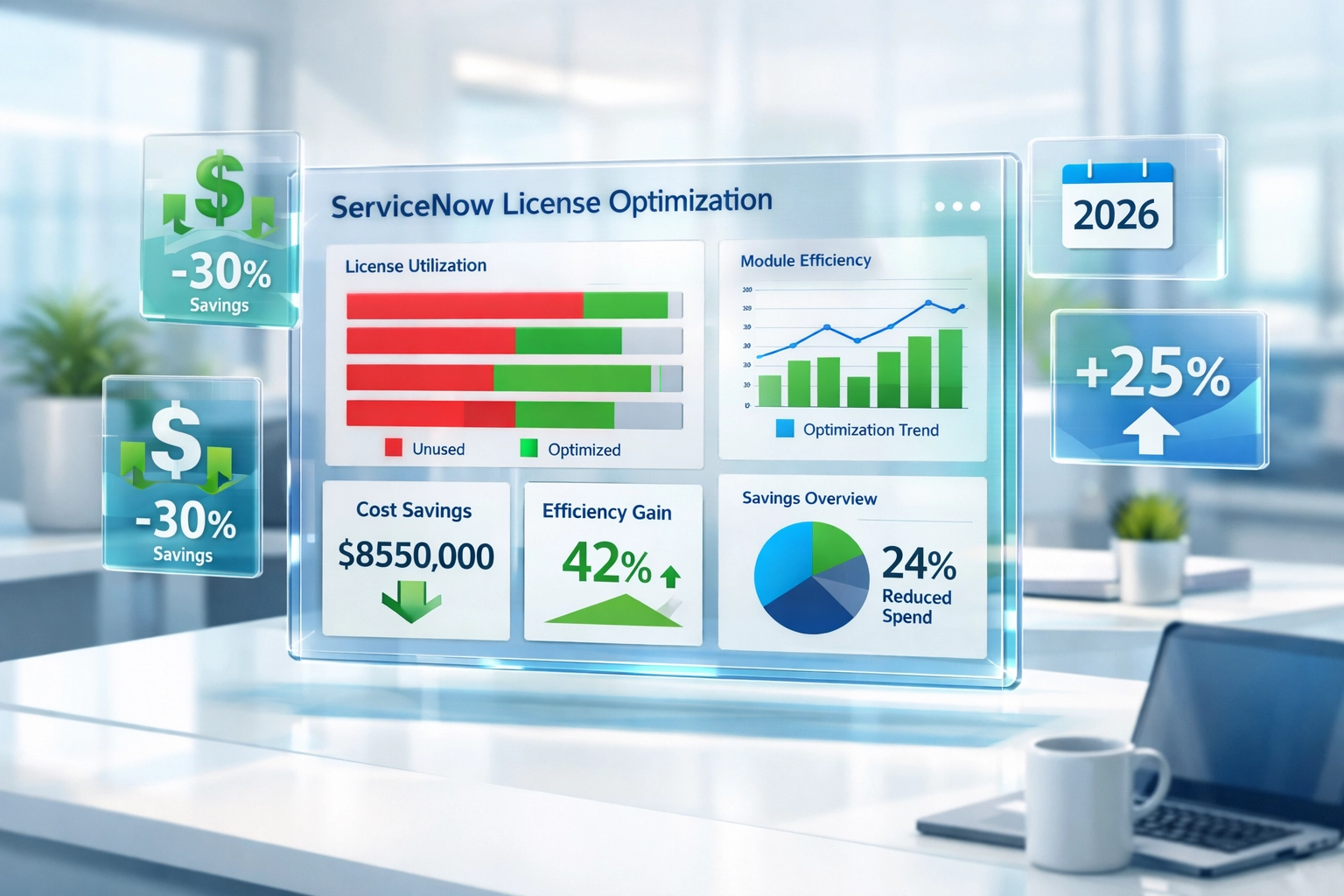
Most organizations overpay for ServiceNow by 20-30% through unused licenses, redundant modules, and misconfigured entitlements. Before you continue optimizing ITOM and ITAM, get a free 15-minute audit from SnowGeek Solutions to identify immediate savings opportunities. We analyze your current license utilization, identify shelfware, and map optimization opportunities specific to your environment. Contact us today to reclaim budget you're already spending.
---
Mistake #4: Using Inadequate Tools and Manual Tracking Methods
Spreadsheet-based ITAM is organizational malpractice in 2026. Yet I regularly audit enterprises: some with $500M+ IT budgets: tracking assets in Excel. The error rate alone justifies immediate replacement: manual asset tracking carries a 15-25% inaccuracy rate according to ITAM industry benchmarks, which translates directly into failed audits, compliance penalties, and purchasing waste.
Manual methods fail in four dimensions. They can't scale to cloud-native environments where infrastructure changes hourly. They don't capture dependencies between assets. They provide zero integration with your ITSM incident management. And they offer no automation for lifecycle events like refresh cycles or end-of-support alerts.
ServiceNow ITAM solves this through automated discovery and normalization. The platform's Discovery module continuously scans your environment: physical, virtual, and cloud: updating the CMDB in real-time. Software Asset Management Professional (SAMPro) automatically normalizes publisher data, identifies license shortfalls, and flags compliance risks. For EU organizations facing DORA requirements, this automated governance becomes essential for demonstrating ICT asset accountability.
Mistake #5: Ignoring Capacity Planning and Real-Time Monitoring
Infrastructure failures don't announce themselves: they build gradually through capacity constraints you're not monitoring. I have witnessed too many organizations experience completely preventable outages because their ITOM implementation lacked predictive capacity planning. When your database server hits 94% CPU utilization every evening but you're only monitoring daily averages, you're flying blind.
The cost equation is stark. Unplanned downtime averages $5,600 per minute according to recent industry data, yet implementing proper ITOM monitoring typically costs 1-2% of your IT operations budget. Organizations that deploy comprehensive ServiceNow consulting services for ITOM see MTTR reductions of 40-60% within the first quarter.
ServiceNow's Event Management and Cloud Observability modules deliver the real-time visibility you need. Event Management correlates alerts across your entire stack, applying machine learning to reduce alert noise by 90%. Cloud Observability provides capacity trending and anomaly detection, alerting you to emerging constraints before they impact service. For AI-driven operations: what Gartner now calls AIOps: ServiceNow Predictive AIOps uses the platform's native AI to forecast resource exhaustion and recommend preventive actions.
Mistake #6: Failing to Establish Standardized Lifecycle Management
Every asset has a lifecycle: procurement, deployment, operation, maintenance, and retirement. Yet most organizations manage these stages through disconnected processes owned by different teams. The result? Unnecessary purchases of assets you already own, underutilized resources sitting in storage, and security vulnerabilities from unretired endpoints still accessing your network.
Poor lifecycle management directly impacts your ESG reporting if you're in the EU. When you can't track hardware from procurement through sustainable disposal, you can't demonstrate environmental compliance. When you lack visibility into software license harvesting, you're paying for shelf ware that inflates your carbon accounting through unused data center capacity.
ServiceNow Hardware Asset Management (HAM) and Software Asset Management (SAM) provide end-to-end lifecycle orchestration. HAM tracks physical assets from purchase order through disposal, automating refresh workflows and ensuring compliant retirement. SAM manages software from license acquisition through reclamation, continuously optimizing your license position. The integration with ServiceNow's Procurement and Vendor Management modules closes the loop, ensuring every asset decision: from initial purchase to final disposal: follows your governance standards.
Mistake #7: Operating Without ITAM-ITSM Integration
This is the mistake that costs the most and gets noticed the least. When your ITAM data exists separately from your ITSM workflows, you're forcing agents to context-switch between systems during incident resolution. I have measured the productivity impact: agents spend an average of 4.5 minutes per incident searching for asset information across disconnected tools. Multiply that by your incident volume, and you're losing thousands of productive hours annually.
The strategic cost runs deeper than agent productivity. Without ITAM-ITSM integration, your change management lacks asset context: so you approve changes without understanding license dependencies or contract obligations. Your incident management can't identify which vendor supports failing infrastructure. Your problem management can't detect patterns linking incidents to specific hardware models or software versions.
ServiceNow's native integration between ITAM and ITSM modules solves this comprehensively. When an agent opens an incident, they see complete asset context: hardware specifications, software versions, license status, support contracts, and related incidents: in a single pane of glass. Change Advisory Board (CAB) reviews include automatic asset impact analysis. Problem records automatically correlate with asset attributes to surface systemic issues.

The ServiceNow Implementation Partner Advantage
Addressing these seven mistakes requires more than platform access: it demands implementation expertise. The difference between mediocre and transformative outcomes lies in how you configure workflows, design governance models, and integrate modules.
As a ServiceNow implementation partner, SnowGeek Solutions brings implementation methodology refined across hundreds of deployments. We understand the technical nuances: like configuring Discovery patterns for hybrid cloud environments or optimizing SAMPro normalization rules for complex publisher licensing. We also understand the organizational change management required to drive adoption and sustain value.
Our consulting approach combines technical precision with business outcomes focus. We don't just implement ITOM and ITAM modules; we architect solutions that reduce your operational costs, demonstrate compliance, and enable Agentic AI operations. For US clients, we emphasize ROI acceleration and AI-readiness. For EU clients, we ensure DORA compliance, GDPR data governance, and ESG reporting capabilities.
Your Next Steps: From Mistakes to Operational Excellence
You now understand the seven mistakes eroding your IT operations efficiency and the ServiceNow solutions that eliminate them. The question isn't whether to fix these gaps: it's how quickly you can implement the transformation.
I have guided organizations from reactive fire-fighting to proactive service excellence in as little as 90 days. The key accelerator? Starting with an honest assessment of your current state and a clear roadmap for the future state.
Take action today: Visit the SnowGeek Solutions contact page to share your specific ITOM and ITAM challenges. Our team will analyze your environment and provide a customized implementation roadmap: no generic recommendations, just precise guidance for your organization.
Stay ahead of the curve: Register with SnowGeek Solutions for platform updates, ServiceNow release insights, and expert guidance delivered directly to your inbox. As ServiceNow continues evolving its ITOM and ITAM capabilities: with Agentic AI features arriving in upcoming releases: you'll have the strategic foresight to leverage new capabilities before your competitors.
The organizations that thrive in 2026 and beyond won't be those with the most IT budget: they'll be those who eliminate costly mistakes and maximize every platform investment. Start your transformation journey today.
Comments