
The Ultimate Guide to ServiceNow HRSD for Retail: Everything You Need to Succeed
- SnowGeek Solutions
- Feb 8
- 6 min read
Throughout my years partnering with retail organizations on their ServiceNow implementation journeys, I have witnessed firsthand how the right HR Service Delivery (HRSD) strategy transforms workforce management from a reactive burden into a strategic advantage. The retail industry demands something different, something more agile, more distributed, and infinitely more scalable than traditional HR systems can provide.
This guide will walk you through everything you need to know about implementing ServiceNow HRSD specifically for retail environments, where high turnover, multi-location complexity, and seasonal workforce fluctuations create unprecedented challenges that require unprecedented solutions.
Why Retail HR Is Different, And Why It Matters
Retail organizations operate in a fundamentally different reality than other industries. I've seen retail HR teams managing thousands of employees across hundreds of locations, dealing with turnover rates that can exceed 60% annually, and coordinating seasonal hiring surges that triple workforce size in weeks.
Traditional HR systems simply weren't built for this. When a store associate in Denver needs an updated schedule, a new hire in Miami requires onboarding, and a seasonal worker in Seattle has a benefits question, all happening simultaneously across different time zones, you need a platform that delivers seamless, self-service experiences at scale.
ServiceNow HRSD provides exactly that foundation. But success demands more than just implementing the platform; it requires strategic foresight tailored specifically to retail's unique operational requirements.

The Retail HRSD Challenge: What You're Really Up Against
Before diving into solutions, I need to address the specific challenges that make retail HRSD implementation distinct from other industries:
High-Volume, High-Velocity Workforce Management: You're not just managing employees, you're orchestrating a constantly shifting workforce ecosystem. Store associates, seasonal workers, part-time staff, and management all require different service levels, different onboarding processes, and different HR support structures.
Multi-Location Complexity: Each store location operates as its own micro-HR environment while still requiring centralized oversight and consistency. I've worked with retail clients operating 500+ locations, and the coordination complexity can quickly become overwhelming without proper systems architecture.
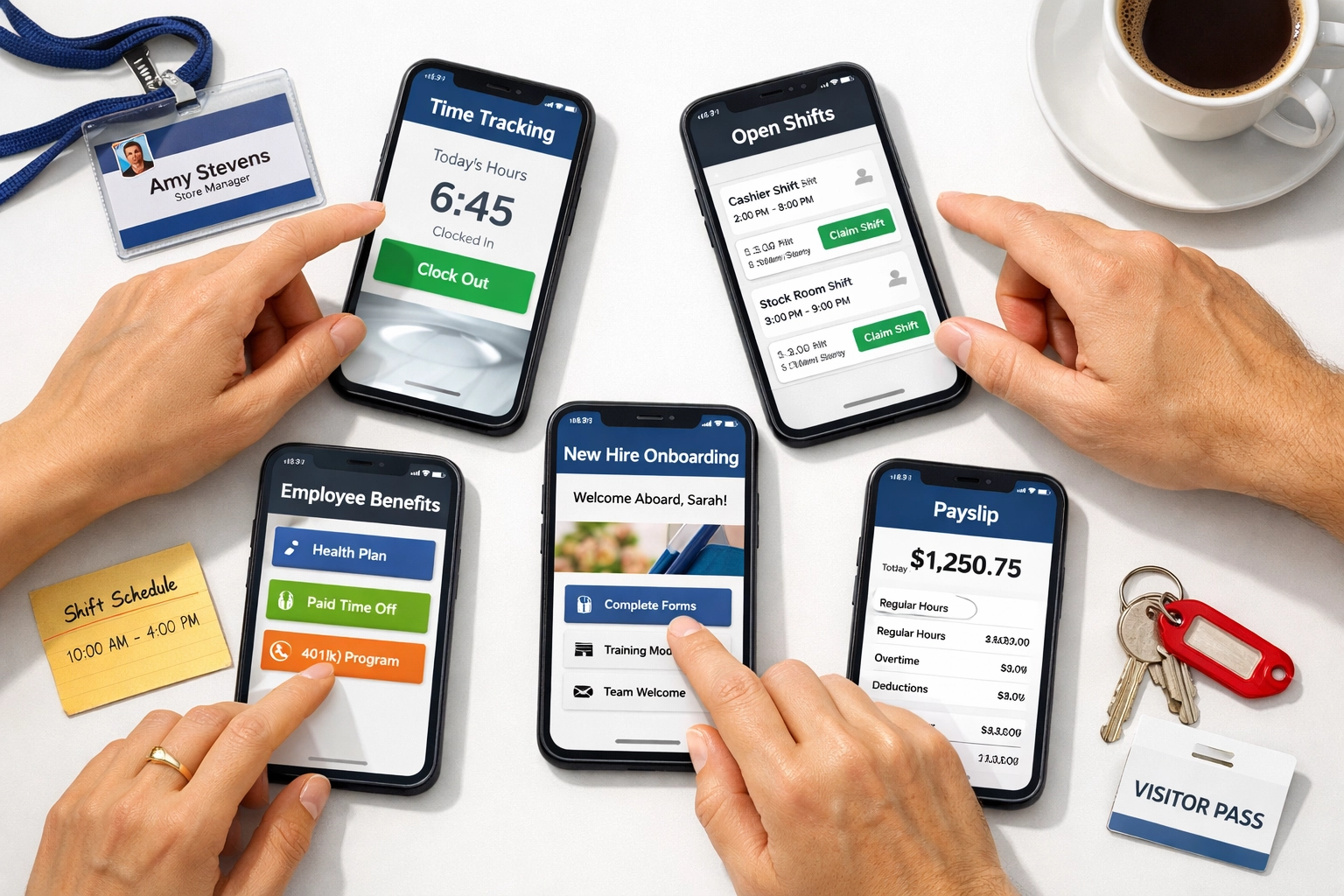
Technology Accessibility Gaps: Unlike corporate office environments, many retail employees lack consistent access to desktop computers or corporate email. Your HRSD solution must deliver mobile-first experiences that work on personal devices during breaks, before shifts, or from home.
Compressed Decision Timelines: Retail moves fast. When you need to hire 200 seasonal employees in three weeks, your onboarding workflows cannot afford bottlenecks. Every hour of delay translates directly to lost productivity and missed sales opportunities.
ServiceNow HRSD Features That Drive Retail Success
The transformative power of ServiceNow consulting services lies in configuring the platform's capabilities specifically for retail operational realities. Here's what matters most:
Employee Service Center (ESC)
The ESC becomes your centralized hub for all HR interactions. I've guided retail clients in configuring ESC to deliver role-based experiences where store associates see different service catalogs than district managers, who see different options than corporate HR staff.
The mobile optimization proves absolutely critical. Your employees access the ESC from their phones during 15-minute breaks, not from dedicated workstations. The interface must load instantly, display clearly on smaller screens, and complete transactions in minimal clicks.
HR Case Management
Retail environments generate massive case volumes. A single seasonal hiring surge can create thousands of simultaneous cases spanning background checks, document collection, system access provisioning, and training coordination.
Your case management workflows must automate intelligently. I configure parent-child case relationships where a single "New Hire" case automatically spawns sub-cases for each onboarding step, assigns them to appropriate teams, tracks dependencies, and escalates exceptions without human intervention.
Knowledge Management
Store managers and team leads become your first line of HR support. They need instant access to accurate information about policies, procedures, and common questions. The knowledge base I design for retail clients emphasizes searchability, mobile formatting, and role-based content filtering so managers find relevant answers in seconds, not minutes.
Self-Service Capabilities
Every transaction that doesn't require human intervention reduces HR operational costs and accelerates employee satisfaction. I prioritize self-service workflows for schedule changes, PTO requests, benefits enrollment, tax document access, and basic policy questions, the high-volume, low-complexity transactions that consume disproportionate HR bandwidth.
Implementation Strategy: The Retail-Specific Roadmap
Implementing ServiceNow HRSD for retail demands a phased approach that balances immediate value delivery with long-term scalability. Here's the strategic framework I've refined through dozens of successful retail implementations:
Phase 1: Define Your HR Services Taxonomy
Start by documenting every HR service you deliver across the employee lifecycle, recruitment, onboarding, benefits administration, payroll support, performance management, offboarding, and everything between. For retail specifically, include store-level services like schedule management, uniform ordering, and point-of-sale system access.
Create an HR taxonomy that maps services to your centers of excellence. Your benefits team handles certain requests, your payroll team handles others, and store-level HR coordinators handle still others. This taxonomy becomes the foundation for everything else.

Phase 2: Configure Your Operating Model
Design HR Operating Service Models for each center of excellence that define SLAs, escalation paths, and fulfillment processes. Retail requires more aggressive SLAs than other industries, when a store needs a replacement employee due to a no-show, you're measuring response time in hours, not days.
Implement catalog items based on your taxonomy, ensuring each service request routes to appropriate fulfillment teams with proper context and urgency indicators. I configure location-aware routing so store-specific requests automatically reach the right district HR coordinator.
Phase 3: Build Intelligent Case Management
Develop parent HR cases that serve as containers for complex multi-step processes like seasonal hiring or mass transfers. These parent cases track overall progress while child cases manage individual tasks, background checks, I-9 verification, system provisioning, training completion.
The case management system must handle volume surges gracefully. During peak seasonal hiring, you might process 10x normal case volumes. Your workflows need capacity buffers and automated load balancing across fulfillment teams.
Phase 4: Deploy Now Assist Capabilities
Now Assist transforms retail HRSD from reactive to proactive. I configure AI-powered capabilities that predict common questions, suggest knowledge articles before employees even complete their search queries, and route complex cases to specialized agents based on content analysis rather than manual triage.
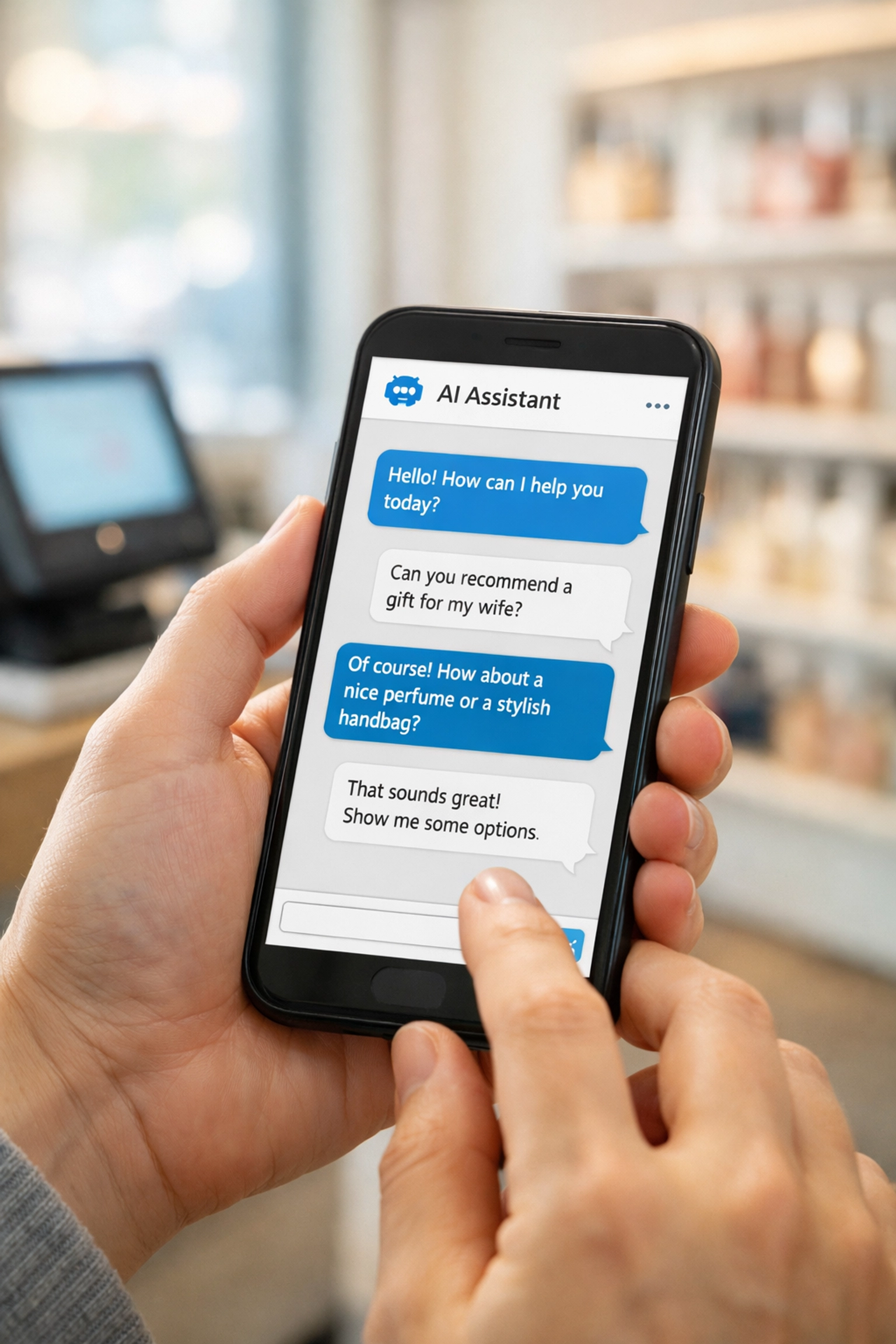
For retail environments, Now Assist's conversational interfaces prove invaluable. Employees describe their needs in natural language: "I need to change my shift next Tuesday": and the system translates that into appropriate service requests without requiring navigation through complex menus.
Measuring Success: Retail HRSD Metrics That Matter
I've learned that what gets measured gets improved. For retail HRSD implementations, I track these critical performance indicators:
Employee Self-Service Adoption Rate: Target exceeding 70%. When fewer employees rely on HR representatives for routine transactions, your HR team gains capacity for strategic initiatives while employees get faster service.
First Contact Resolution Rate: Target 80%+ for common requests. Retail employees need immediate answers, not extended back-and-forth exchanges spanning multiple shifts.
Mobile Interaction Percentage: Target 60%+ of all HRSD interactions happening via mobile devices. This validates that your solution meets employees where they work, not where you wish they worked.
Average Case Resolution Time: Track by case type and set aggressive targets for high-volume categories. Schedule change requests should resolve in hours; benefits questions in one day; onboarding cases in days, not weeks.
Employee Satisfaction Score: Survey employees after case resolution with target satisfaction exceeding 75%. Dissatisfied employees avoid using the system, reducing your ROI and creating shadow IT workarounds.
How SnowGeek Solutions Elevates Your Retail HRSD Implementation
As a specialized ServiceNow partner focused exclusively on the platform, I bring strategic foresight that generalist consultants simply cannot match. My retail HRSD implementations succeed because I understand both ServiceNow's technical capabilities and retail's operational realities.
I don't deliver generic HRSD configurations adapted slightly for retail. I architect solutions specifically designed for your multi-location complexity, workforce volatility, and mobile-first requirements from day one. This precision approach accelerates deployment timelines, reduces implementation costs, and maximizes long-term ROI.
My methodology emphasizes sustainable success through comprehensive change management, role-based training programs, and post-launch optimization. I've witnessed too many implementations that deliver technically sound solutions but fail to drive adoption: success requires equal focus on technology and people.
When you partner with SnowGeek Solutions for your ServiceNow consulting services needs, you're not just implementing software. You're transforming how your organization delivers HR services, empowers employees, and drives operational excellence across every store location.
Your Path Forward
The retail industry continues evolving at unprecedented speed. Organizations that streamline HR service delivery gain competitive advantages in talent acquisition, employee satisfaction, and operational efficiency. Those that cling to legacy systems find themselves drowning in administrative burden while competitors pull ahead.
ServiceNow HRSD provides the platform capabilities you need. SnowGeek Solutions provides the strategic guidance, technical expertise, and retail-specific experience to ensure your implementation delivers transformative results.
I invite you to explore how we can elevate your retail HR operations and begin your journey toward seamless HR service delivery that scales with your business, adapts to your workforce needs, and positions your organization for sustained success in an increasingly competitive retail landscape.
The question isn't whether to modernize your retail HRSD: it's whether you'll lead that transformation or follow others who already have.