
The Proven ServiceNow ITOM Framework for 2026: US ROI vs. EU Compliance (Which Matters More for Your License Audit?)
- SnowGeek Solutions
- Feb 21
- 5 min read

I've watched hundreds of organizations struggle with this exact question during their ServiceNow ITOM implementations: Should they prioritize US-style ROI metrics or EU compliance requirements when planning their license audit strategy? The answer is more nuanced than most ServiceNow implementation partners will tell you: and it directly impacts whether your organization wastes budget on unnecessary licenses or faces compliance penalties.
Let me guide you through the strategic framework I've developed after witnessing firsthand how both approaches drive fundamentally different outcomes during license audits, and why understanding this distinction has become absolutely critical in 2026.
The US ROI Imperative: Why Numbers Drive License Decisions
In the United States market, ITOM implementations live or die by measurable financial returns. I have witnessed organizations using ServiceNow Service Mapping reduce change-related incidents by 62%, while alert correlation rules in Event Management slash alert noise by 85%. These aren't theoretical gains: they translate directly to reduced operational costs and justify license expenditures during audits.
The Washington release introduced enhanced AIOps capabilities that have fundamentally changed how US organizations approach ITOM licensing decisions. When you can demonstrate that cloud cost optimization features deliver 35% sprawl reduction within six months, suddenly those additional ITOM licenses become strategic investments rather than line-item costs.

Here's what I've observed in US-focused audits: Organizations that cannot prove ROI face intense scrutiny on every Discovery node, every Service Mapping license, and every Event Management entitlement. Your audit team wants to see Mean Time to Resolution (MTTR) improvements, First Call Resolution (FCR) increases, and platform health scores above 85%. Without these metrics documented and tied to specific ITOM features, you're vulnerable to license downgrades and cost optimization recommendations that may actually harm operational efficiency.
The EU Compliance Reality: Regulatory Requirements Trump Pure ROI
The European landscape operates under entirely different principles. I work extensively with EU-based organizations where DORA (Digital Operational Resilience Act) compliance, GDPR data residency requirements, and ESG reporting obligations fundamentally reshape ITOM licensing strategies: regardless of pure financial ROI.
When implementing ServiceNow consulting services for EU clients, I've seen that compliance-driven licensing decisions often justify ITOM investments that US-based CFOs would immediately question. For example, Service Mapping becomes essential not because it reduces incidents by 62%, but because DORA Article 6 requires comprehensive ICT asset inventories and dependency mapping for critical business functions.
GDPR Article 30 mandates detailed processing activity records, which transforms ITOM Discovery from an optional efficiency tool into a compliance necessity. Your license audit in this context evaluates whether you have sufficient Discovery capabilities to maintain GDPR-compliant asset records: not whether Discovery delivers ROI in traditional terms.

The Xanadu release enhanced data classification capabilities that directly support GDPR compliance workflows. I've guided organizations through audits where these features justified ITOM licenses that showed modest traditional ROI but were absolutely essential for avoiding six-figure regulatory penalties.
License Audits: Where US ROI and EU Compliance Collide
Here's the strategic insight most ServiceNow implementation partners miss: Your license audit approach must align with your organization's primary regulatory jurisdiction and business objectives: but misunderstanding this creates expensive mistakes.
I recently completed a license audit for a multinational organization with operations spanning both markets. Their US divisions had optimized for pure ROI, implementing minimal Discovery nodes and basic Service Mapping. Meanwhile, their EU subsidiaries had invested heavily in comprehensive ITOM capabilities to satisfy regulatory requirements. The audit revealed a critical gap: misaligned entitlements created both compliance risks and ROI inefficiencies.
The organization was paying for duplicate Health Log Analytics (HLA) and Digital Employee Experience (DEX) licenses across regions without consolidating their ITAM strategy. Worse, their US operations lacked critical compliance features their EU teams considered essential, creating audit vulnerabilities when evaluated under consolidated corporate governance standards.
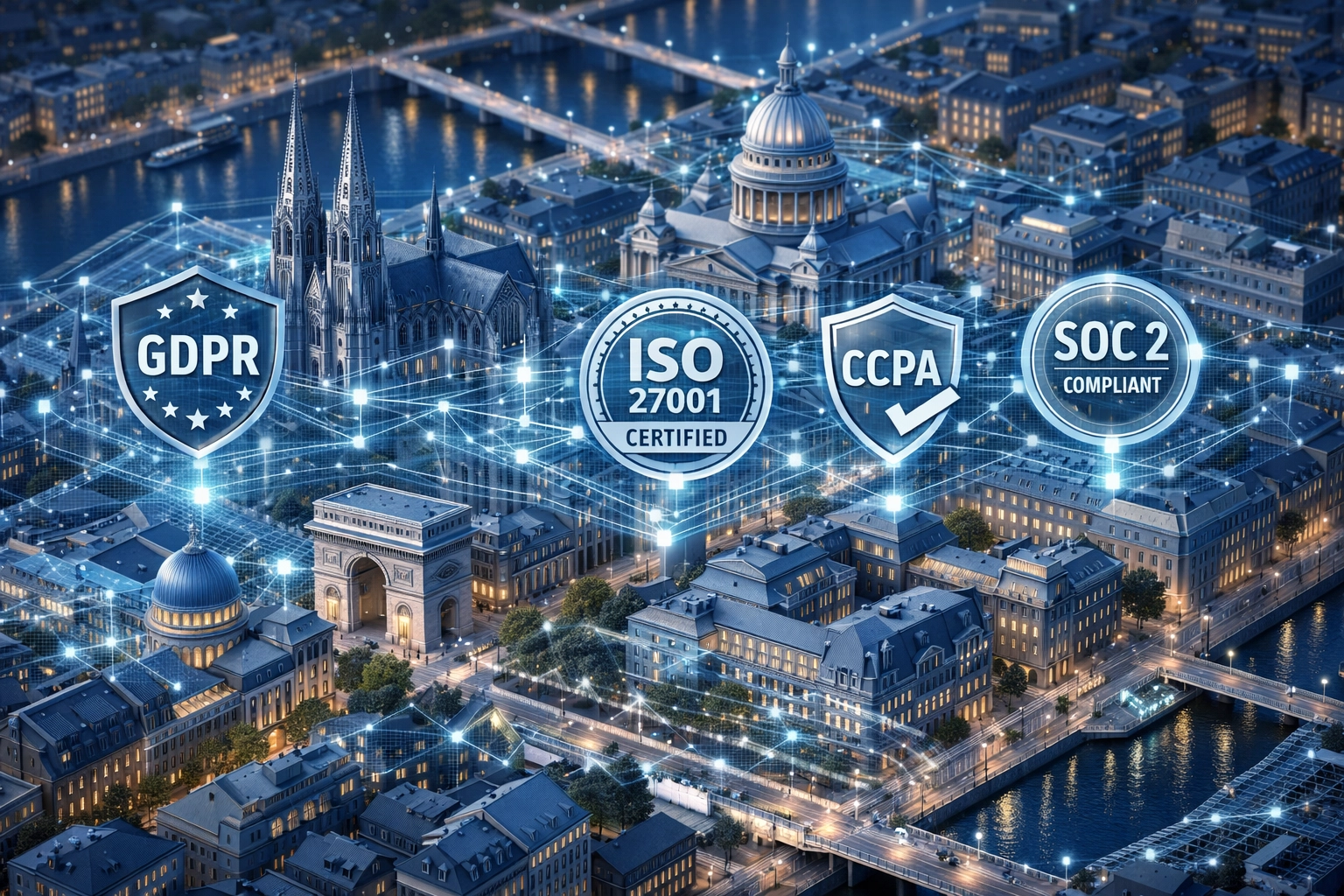
The 2026 Framework: Integrated ITOM Strategy
The proven framework I recommend balances both imperatives through what I call Compliance-Weighted ROI Analysis. This approach acknowledges that traditional US-style ROI calculations miss critical value drivers in regulated environments while ensuring EU-focused implementations don't ignore efficiency opportunities.
Phase 1: Entitlement Mapping
Begin by confirming your exact entitlements for Discovery, Event Management, AIOps, Service Mapping, HLA, and DEX before your license audit. I cannot emphasize this enough: misunderstood entitlements create the most painful audit surprises. Map each feature to both compliance requirements and ROI potential.
For US organizations: Document how each ITOM component reduces operational costs, improves incident response times, or enables cloud optimization. Your audit defense requires quantified MTTR improvements and documented cost savings.
For EU organizations: Map ITOM capabilities directly to DORA requirements, GDPR processing activities, and ESG reporting obligations. Your audit defense requires demonstrated compliance coverage and regulatory alignment.
Phase 2: Gap Analysis with Dual Metrics
Evaluate your current ITOM implementation against both frameworks simultaneously. I've developed a dual-metric approach that scores each capability on both ROI impact and compliance necessity. This reveals where you're over-licensed (paying for features delivering neither ROI nor compliance value) and under-licensed (missing capabilities that deliver both).
The WorkArena Benchmark provides excellent reference points for operational efficiency metrics, while DORA technical standards offer compliance scoring frameworks. Integrate both when assessing your ITOM maturity.

Phase 3: Strategic License Optimization
This is where ServiceNow consulting services deliver transformative value. Rather than simply cutting licenses to reduce costs (US approach) or adding licenses to satisfy compliance (EU approach), optimize your entitlement mix to maximize combined value.
I recently guided an organization through this optimization and identified that reallocating 15% of their ITOM licenses from redundant Discovery nodes to enhanced Service Mapping capabilities improved both their MTTR by 23% and their DORA compliance coverage by 40%. This dual-benefit optimization would have been invisible under single-framework analysis.
Which Actually Matters More for Your Audit?
The provocative answer: Both matter equally, but in different sequences depending on your regulatory exposure.
If you operate primarily in US markets with minimal EU regulatory obligations, lead with ROI metrics but don't ignore emerging compliance requirements. The trajectory of US regulation is moving toward EU-style operational resilience standards, and early investment in compliance-ready ITOM capabilities positions you ahead of regulatory curves.
If you operate in EU markets or serve EU customers, compliance requirements are non-negotiable: but building ROI documentation simultaneously strengthens your business case for ITOM investments and protects budget allocations during economic downturns.
For multinational organizations, I've witnessed that integrated frameworks consistently outperform single-dimension approaches during license audits. Auditors increasingly evaluate whether your ITOM investment delivers holistic value rather than excelling in one dimension while failing in another.

Your Next Strategic Step
The ServiceNow ITOM landscape in 2026 demands strategic foresight that transcends simplistic ROI versus compliance debates. Your license audit success depends on understanding how these frameworks interact, where they complement each other, and which approach aligns with your organization's unique risk profile and operational objectives.
I encourage you to take action immediately: Register for SnowGeek Solutions' Free 2026 ServiceNow ROI & License Audit. This comprehensive assessment evaluates your current ITOM implementation against both US ROI standards and EU compliance requirements, identifying optimization opportunities that typical audits miss entirely.
Visit the SnowGeek Solutions contact page to share your specific project details and challenges. Our team will analyze your entitlements, map compliance gaps, quantify ROI opportunities, and deliver actionable recommendations that position your organization for audit success: regardless of whether you prioritize US-style financial returns or EU regulatory compliance.
Additionally, register with SnowGeek Solutions for ongoing platform updates and expert insights that keep you ahead of evolving ITOM licensing strategies, compliance requirements, and ROI optimization techniques. As an exclusive ServiceNow implementation partner, we provide the strategic guidance that transforms license audits from painful exercises into opportunities for demonstrating platform value.
The question isn't whether US ROI or EU compliance matters more for your license audit: it's whether your ServiceNow implementation partner understands how to deliver both simultaneously. That distinction separates organizations that maximize their ITOM investments from those that simply manage costs or check compliance boxes.
Comments