
ServiceNow for Banking: 10 Compliance Features Your Financial Institution Can't Afford to Miss in 2026
- SnowGeek Solutions
- Feb 8
- 6 min read

Financial services regulations have reached unprecedented complexity in 2026, and I have witnessed firsthand how traditional compliance frameworks buckle under the weight of evolving requirements. After implementing ServiceNow consulting services across dozens of banking institutions throughout the Middle East and globally, I can tell you with absolute certainty: the right technology infrastructure separates institutions that thrive from those drowning in audit findings.
The banking sector faces a convergence of challenges: heightened AML scrutiny, real-time fraud detection mandates, and the constant threat of regulatory penalties that can devastate reputations overnight. Manual compliance processes simply cannot keep pace. This guide will walk you through the ten compliance capabilities within ServiceNow's Financial Services Operations (FSO) suite that have transformed how my clients achieve operational excellence while minimizing regulatory risk.
1. Immutable Audit Trails That Regulators Actually Trust
Gone are the days when regulators accepted email chains and scattered comments as evidence. ServiceNow enforces structured evidence capture with timestamps, approver identity, and mandatory attachment requirements that create an unbreakable chain of custody for every decision.
I have guided institutions through regulatory examinations where examiners specifically praised the platform's audit trail capabilities. Every approval decision includes verification methods, supporting documentation, and role-based accountability: enabling you to answer "who approved what, when, and why" within seconds rather than days of forensic investigation.
The system's immutability means no one can retroactively modify records, providing the ironclad evidence trail that satisfies even the most stringent regulatory frameworks including Basel III, PCI-DSS, and local central bank requirements.

2. Segregation of Duties Enforcement Built Into Every Workflow
Regulatory violations often stem from a single point of failure: one person controlling multiple stages of a critical process. ServiceNow's role-based stage ownership automatically prevents this vulnerability by enforcing independent verification at each workflow stage.
In a recent ServiceNow implementation I led for a retail banking client, we configured KYC workflows so branch operations staff could never both complete and approve customer due diligence checks. The platform's architecture demands independent verification and approval groups, eliminating the possibility of fraudulent account creation or compliance shortcuts.
This segregation of duties extends across every financial process: from loan approvals to account modifications: creating an environment where conflicts of interest become structurally impossible rather than merely policy-dependent.
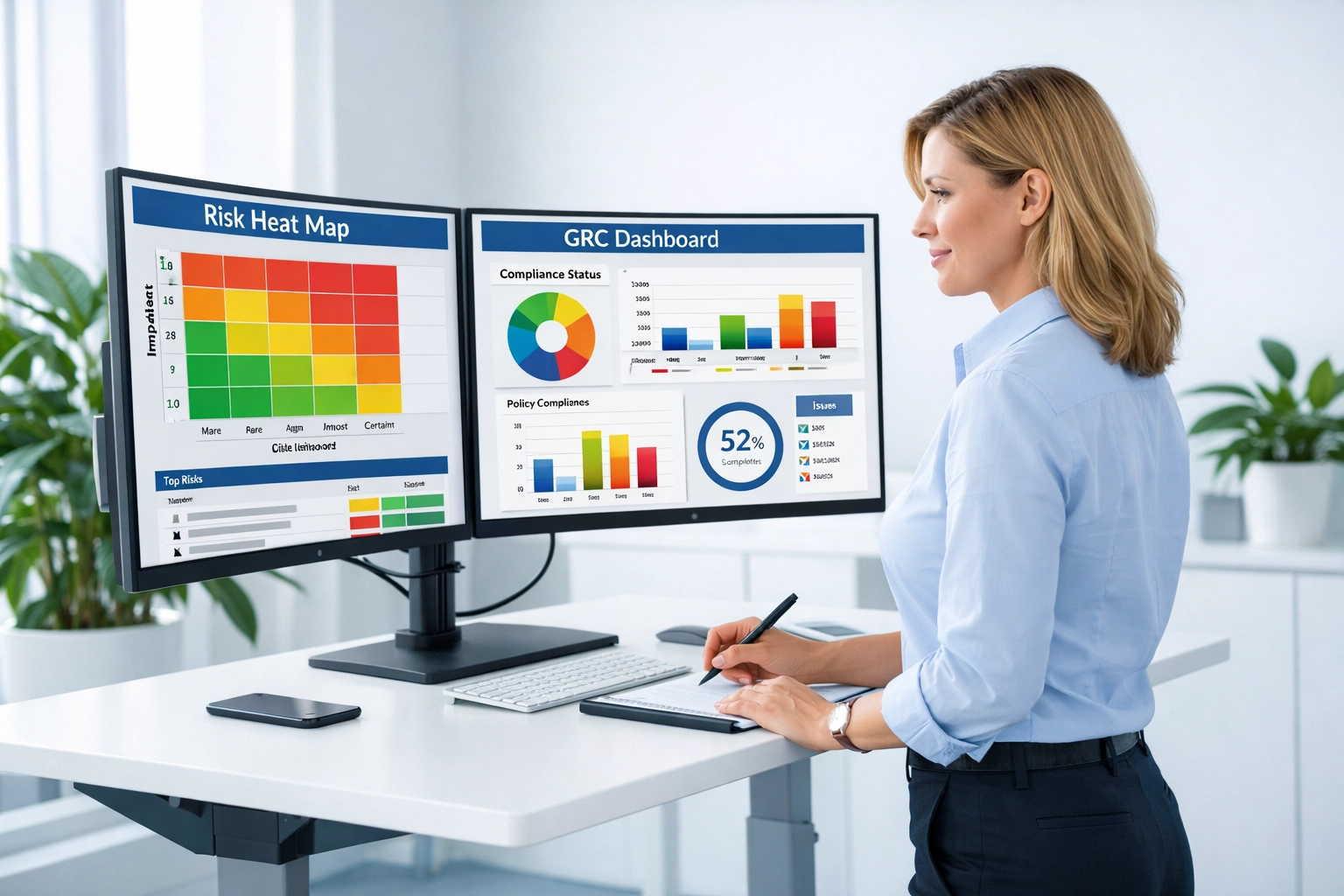
3. Governance, Risk, and Compliance (GRC) Suite Integration
ServiceNow's GRC capabilities provide automated templates for controls testing, risk registers, and policy enforcement across multiple regulatory frameworks simultaneously. I have watched compliance teams reduce their manual workload by 70% while dramatically improving control effectiveness.
The platform enables continuous compliance monitoring rather than point-in-time assessments. Whether you're managing SOX controls, ISO 27001 frameworks, or industry-specific regulations, the system automatically tracks control performance, identifies gaps, and triggers remediation workflows before issues escalate into findings.
For institutions operating across multiple jurisdictions, this unified approach eliminates the nightmare of maintaining separate compliance tracking systems for each regulatory regime.

4. Automated KYC and Periodic Review Workflows
Customer due diligence represents one of banking's most resource-intensive compliance requirements. ServiceNow auto-generates review cases based on customer risk tier and regulatory timelines, with automatic notifications and escalations that ensure no deadline is missed.
The system identifies high-risk customers requiring KYC refresh 30 days before regulatory deadlines, distributing workload across compliance teams rather than creating last-minute crises. I have implemented risk-based review frequencies that align perfectly with regulatory expectations while optimizing resource allocation.
This automation eliminates the compliance spreadsheets that plague most financial institutions, replacing them with intelligent workflows that adapt to changing risk profiles and regulatory requirements in real-time.
5. Complaint Management Aligned to Regulatory Requirements
Consumer complaints carry significant regulatory weight in 2026, with central banks imposing strict acknowledgement timeframes and resolution standards. ServiceNow FSO supports regulator-mandated complaint workflows including acknowledgement SLAs, escalation paths, and standardized outcome communications.
Through configurable rather than customized workflows, institutions can align with local regulatory checkpoints whether operating in Saudi Arabia, UAE, or international markets. The platform tracks complaint trends, identifies systemic issues, and provides the management reporting that regulators expect during examinations.
I have witnessed how this structured approach transforms complaint management from a reactive headache into a strategic advantage for identifying service improvement opportunities.
6. Golden Record Data Quality Controls
Duplicate customer records create compliance nightmares: breaking regulatory reporting, inflating exposure calculations, and undermining AML screening effectiveness. ServiceNow enforces data entry validation with golden-record matching rules based on national ID, date of birth, and contact information.
The platform prevents duplicate creation at the point of entry while providing powerful reconciliation tools for cleaning existing data quality issues. This single source of truth ensures accurate regulatory reporting and enables effective sanctions screening across your entire customer base.
For institutions pursuing ServiceNow partner relationships, data quality represents the foundation upon which all other compliance capabilities are built.
7. Embedded Compliance Throughout Operational Processes
The most powerful compliance strategy doesn't bolt on requirements at the end: it integrates them into every operational workflow from the beginning. ServiceNow embeds compliance checkpoints directly into customer onboarding, service delivery, and account management processes.
Rather than treating compliance as a separate function, the platform ensures every employee encounters and completes regulatory requirements as a natural part of their daily work. This approach eliminates the compliance bottlenecks that slow customer service while ensuring consistent adherence to requirements.
I have guided institutions through this transformation, watching as compliance evolved from a barrier to an enabler of efficient operations.
8. Real-Time Audit Logging and SIEM Integration
Security information and event management (SIEM) integration creates a powerful defense against both external threats and internal compliance risks. ServiceNow logs every activity with timestamps and user IDs, forwarding data to SIEM systems for real-time threat detection and compliance monitoring.
This end-to-end audit trail satisfies both internal audit requirements and external regulatory examinations. When combined with the platform's access control capabilities, you create comprehensive accountability across your entire technology ecosystem.
The integration capabilities extend beyond SIEM to include regulatory reporting engines, fraud detection systems, and enterprise risk management platforms: creating a unified compliance infrastructure.
9. Sanctions and AML Screening Orchestration
Anti-money laundering screening represents a critical compliance requirement that demands both speed and accuracy. ServiceNow FSO functions as the workflow and evidence hub for sanctions, PEP, and AML screening, integrating third-party screening services via APIs while storing results, timestamps, and reviewer decisions.
The platform automatically triggers re-screening based on regulatory requirements, customer risk changes, or watchlist updates. I have implemented screening workflows that balance regulatory thoroughness with customer experience, ensuring compliance never becomes an excuse for poor service delivery.
This orchestration approach provides flexibility to work with best-of-breed screening providers while maintaining centralized workflow management and audit trails.

10. Role-Based Access Control with Granular Permissions
Data protection regulations demand precise control over who accesses what information under which circumstances. ServiceNow supports multi-layered access controls including role-based permissions, multi-factor authentication, and IP restrictions that adapt to your specific security requirements.
User personas receive data access appropriate to their function: compliance analysts see customer due diligence information while service representatives access only what's necessary for account servicing. This granular approach satisfies privacy regulations while enabling efficient operations.
The platform's access control extends to reporting and analytics, ensuring sensitive information remains protected even as data drives business intelligence initiatives.
Transforming Compliance from Burden to Competitive Advantage
The financial institutions that thrive in 2026's regulatory environment recognize a fundamental truth: compliance excellence drives operational excellence. By implementing these ten ServiceNow capabilities, you transform compliance from a cost center into a strategic advantage that enables faster customer onboarding, reduced operational risk, and stronger regulatory relationships.
At SnowGeek Solutions, we specialize exclusively in ServiceNow implementation for financial services institutions. I have guided organizations through every stage of their compliance transformation journey, from initial assessment through full-scale deployment and continuous optimization. Our team understands both the technical capabilities of the platform and the regulatory nuances of banking operations across multiple jurisdictions.
The combination of Now Assist AI capabilities with these compliance features creates unprecedented opportunities for intelligent automation, predictive risk management, and proactive compliance rather than reactive firefighting.
If your institution is ready to elevate compliance operations to unprecedented heights, I invite you to explore how our ServiceNow consulting services can transform your regulatory risk management. The seamless success story begins with a conversation about your specific challenges and objectives.
The question isn't whether to modernize your compliance infrastructure: it's whether you'll lead the transformation or struggle to catch up with competitors who already have.
Comments