
Is Your ServiceNow ITOM Strategy Ready for 2026? Free ROI & License Audit Reveals Hidden Savings

I have witnessed firsthand how organizations entering 2026 face a fundamentally different ITOM landscape than just 18 months ago. The convergence of Agentic AI capabilities in ServiceNow's Washington DC release, stricter regulatory requirements including DORA and NIS2, and escalating pressure for ESG compliance reporting has transformed what "ITOM readiness" truly means.
If your organization is still operating with pre-2025 ITOM strategies, you're not just behind: you're actively accumulating technical debt that will cost exponentially more to address later. This guide will walk you through the critical assessment areas that separate organizations poised for transformative success from those facing costly retrofitting.
The 2026 ITOM Foundation: Why Yesterday's Best Practices Are Today's Bottlenecks
The ServiceNow Washington DC release introduced Agentic AI capabilities that fundamentally changed the game. These AI agents don't just automate existing workflows: they autonomously analyze patterns, predict incidents, and execute remediation with minimal human intervention. However, this unprecedented automation demands a level of data accuracy that most organizations simply don't have.
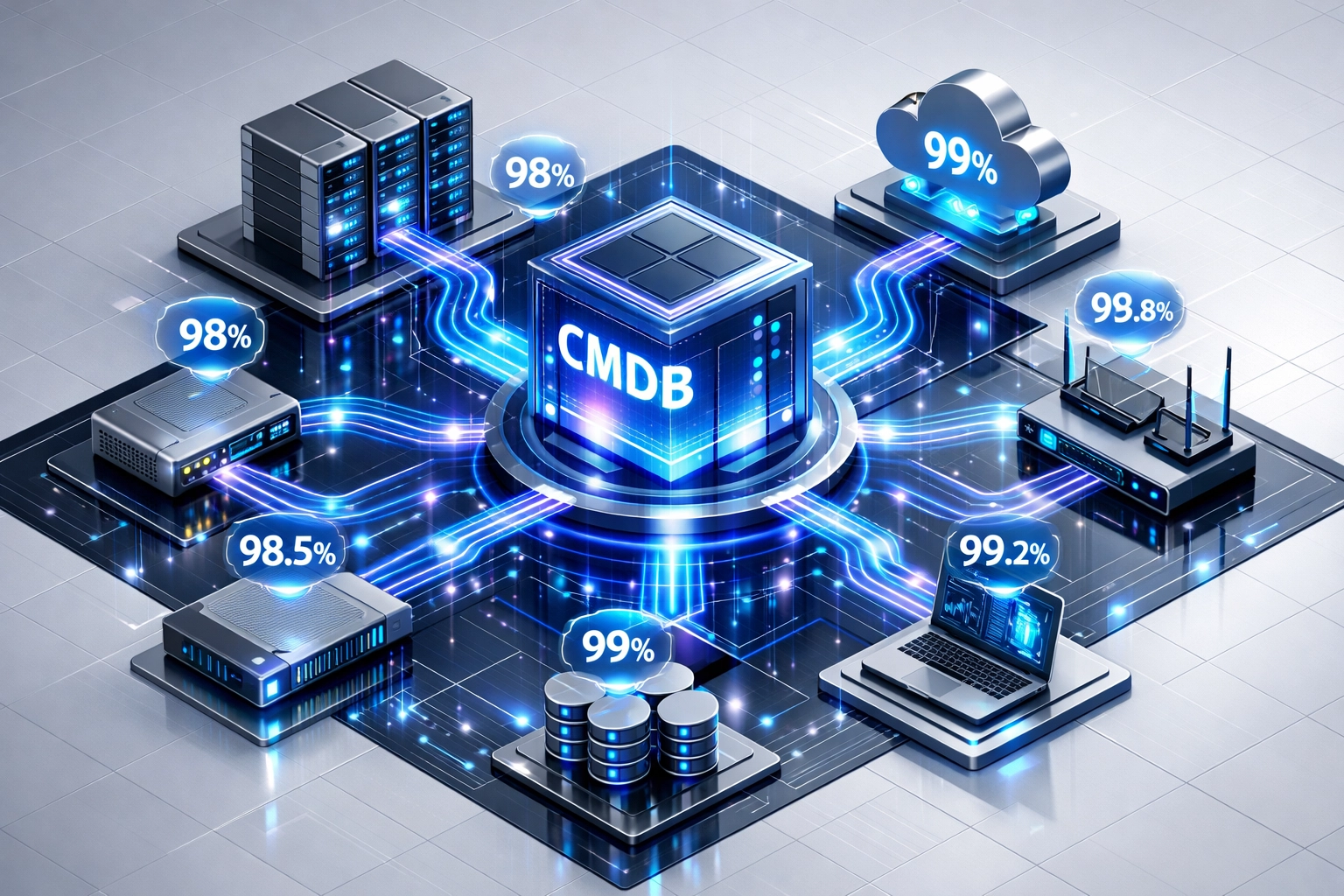
Here's the reality check: Agentic AI requires 98%+ CMDB accuracy to function effectively. Yet I consistently see organizations operating at 60-75% accuracy rates, believing their ITOM implementation is "good enough." This gap isn't just a data quality issue: it's a strategic liability that prevents you from leveraging the full potential of your ServiceNow investment.
The Enhanced Service Graph Connectors in Washington DC create seamless data flow between ITOM and ITAM systems, but only if your foundational architecture supports it. Without proper integration, you're essentially running a Ferrari engine in a vehicle with mismatched transmission components.
Four Critical Assessment Areas Revealing Hidden Savings
1. CMDB Accuracy: The Foundation Everything Builds Upon
Your Configuration Management Database isn't just a repository: it's the single source of truth that powers every ITOM and ITAM decision. When working with a specialized ServiceNow implementation partner, the first step should always be a comprehensive CMDB health assessment.
I've analyzed hundreds of CMDB implementations, and the pattern is consistent: organizations underestimate the impact of inaccurate configuration items until automation fails spectacularly. With Agentic AI making autonomous decisions based on CMDB data, even minor inaccuracies cascade into significant operational disruptions.
The audit process should examine:
Orphaned and duplicate CIs that inflate your apparent infrastructure footprint
Relationship accuracy between configuration items
Discovery coverage gaps where shadow IT operates undetected
Staleness indicators showing data that hasn't been refreshed in compliance windows
Organizations that achieve 98%+ accuracy typically see 35-45% reduction in infrastructure-related incidents within the first year post-remediation. This isn't incremental improvement: it's transformative operational excellence.
2. Shadow IT Exposure: The Silent Budget Drain
Shadow IT represents one of the largest untracked expenses in modern enterprises. Through network traffic analysis and cloud spend reconciliation, I regularly uncover software subscriptions and infrastructure components that organizations don't even know they're paying for.

The Free 2026 ServiceNow ROI & License Audit includes comprehensive shadow IT discovery that examines:
Unsanctioned SaaS applications across departments
Cloud infrastructure resources provisioned outside IT governance
Duplicate tools performing identical functions
Legacy systems maintained "just in case" but rarely utilized
One mid-market organization I worked with discovered $847,000 in annual redundant software spending through this process. The consolidation roadmap we developed didn't just eliminate waste: it simplified their technology portfolio, reduced integration complexity, and accelerated their time-to-value for new capabilities.
3. License Compliance: Balancing Risk and Optimization
Software licensing represents a perpetual challenge: overbuying creates waste, while underbuying creates compliance risk. ServiceNow consulting services should include holistic license portfolio analysis across all vendors, not just ServiceNow itself.
The audit examines:
True-up requirements hiding in vendor contracts
Licenses purchased but never deployed
Harvesting opportunities from departed employees or role changes
Optimization strategies for enterprise agreements coming up for renewal
For mid-market enterprises, proper license optimization typically delivers $1.2M-$4.7M in annual savings. At enterprise scale, these numbers multiply significantly. The key is having accurate usage data: which circles back to CMDB accuracy and comprehensive ITAM integration.
4. Integration Debt: The Workflow Killer
Legacy systems that block modern ITOM workflows create bottlenecks that prevent seamless automation. I've seen organizations invest heavily in ServiceNow capabilities only to discover that outdated integrations throttle their entire operation.
The integration debt assessment identifies:
Point-to-point integrations that should be consolidated through Integration Hub
Custom code that breaks with platform upgrades
Manual data transfer processes masquerading as "integrations"
API call patterns creating performance bottlenecks
Organizations addressing integration debt before implementing Washington DC capabilities report 52% improvement in change success rates and dramatically faster incident resolution times.
Regulatory Compliance: DORA, NIS2, and ESG Reporting Requirements
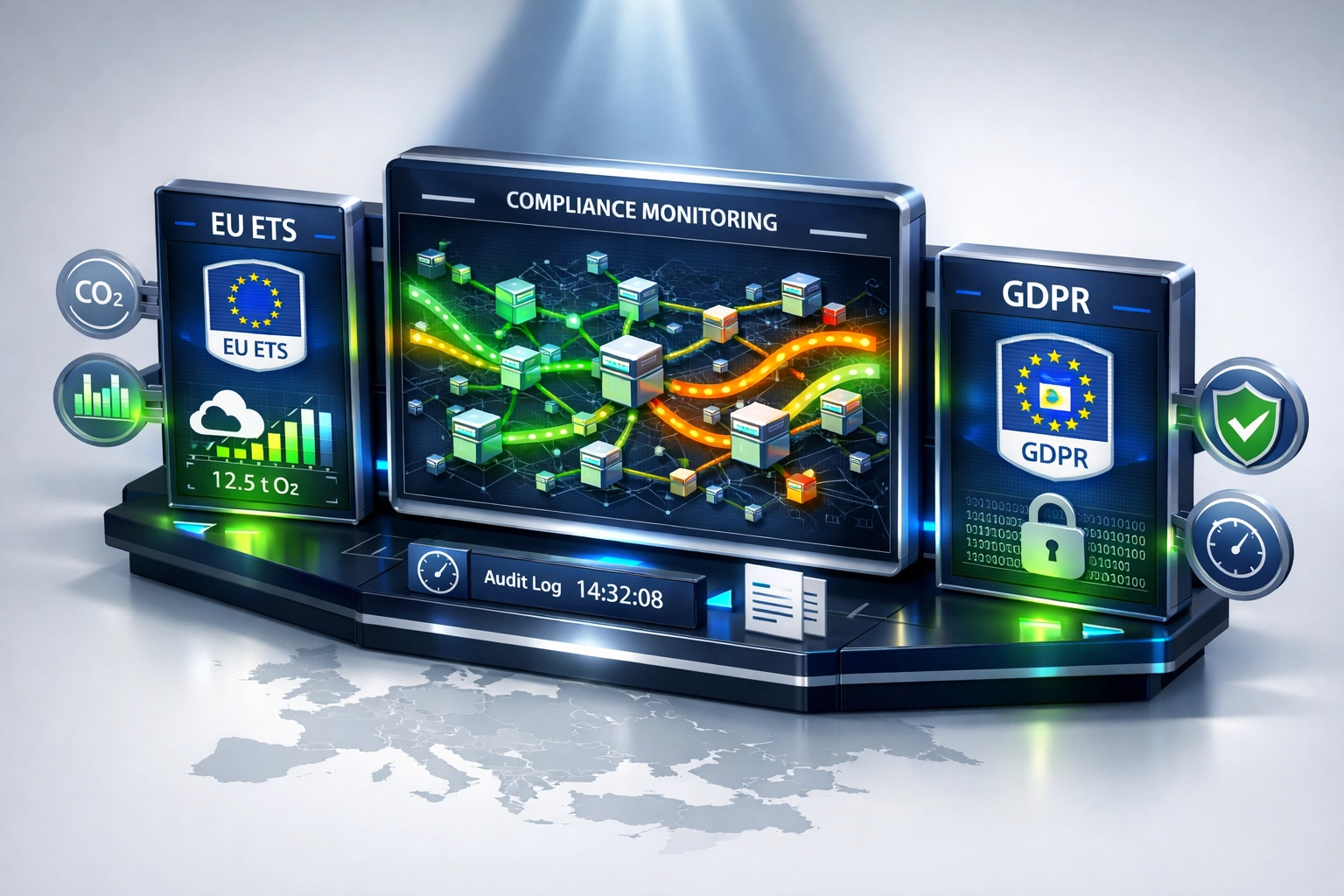
European organizations face unprecedented regulatory scrutiny in 2026. DORA (Digital Operational Resilience Act) and NIS2 (Network and Information Security Directive 2) impose specific requirements for IT operations monitoring, incident response, and third-party risk management that directly impact ITOM strategy.
Your ITOM implementation must now support:
Real-time operational resilience monitoring and reporting
Automated incident classification and escalation meeting regulatory timelines
Third-party technology risk assessments integrated into procurement workflows
Comprehensive audit trails for all infrastructure changes
ESG reporting requirements add another layer. Organizations must now demonstrate:
IT infrastructure carbon footprint tracking and optimization
E-waste management through proper hardware lifecycle governance
Energy consumption monitoring and reduction initiatives
These aren't optional enhancements: they're regulatory mandates with significant penalties for non-compliance. The Free 2026 ServiceNow ROI & License Audit includes regulatory readiness assessment specifically for EU organizations navigating these requirements.
The Implementation Quality Differentiator
Here's the metric that matters most: organizations working with specialized ServiceNow implementation partners achieve optimal ROI 18 months faster than DIY implementations. This isn't about capability: it's about experience and architectural foresight.
The Washington DC release makes enterprise-scale ITOM-ITAM integration achievable, but the execution quality determines whether you realize the benefits or accumulate more technical debt. I've seen organizations spend millions on implementations that miss the mark because they lacked strategic architectural planning from the beginning.
A proper implementation by expert ServiceNow consulting services should deliver:
Architecture design that anticipates your three-year roadmap, not just immediate requirements
Data quality remediation as a foundational step, not an afterthought
Integration patterns that scale without performance degradation
Change management programs ensuring adoption at all organizational levels
The difference between adequate and exceptional implementation isn't visible in year one: it compounds over time as your requirements evolve and complexity increases.
Your Next Steps: From Assessment to Action
The 2026 ITOM landscape demands strategic foresight and architectural excellence. The hidden savings revealed through comprehensive ROI and license audits often exceed the entire cost of proper implementation: sometimes by multiples.
This is precisely why we're offering the Free 2026 ServiceNow ROI & License Audit. This comprehensive assessment examines all four critical areas: CMDB accuracy, shadow IT exposure, license compliance, and integration debt. For EU organizations, we include regulatory readiness analysis for DORA, NIS2, and ESG reporting requirements.
The audit delivers:
Quantified savings opportunities across your technology portfolio
Risk assessment identifying compliance gaps and technical debt
Prioritized roadmap for addressing critical issues
ROI projection for recommended improvements
Ready to discover what your current ITOM strategy might be costing you? Visit the SnowGeek Solutions contact page to share your project details and schedule your Free 2026 ServiceNow ROI & License Audit. Additionally, register with SnowGeek Solutions to receive platform updates, regulatory compliance insights, and expert analysis that keeps your ITOM strategy ahead of the curve.
The question isn't whether your organization needs to evolve its ITOM approach for 2026: the question is whether you'll address these gaps proactively or reactively. I've seen both paths, and I can assure you that proactive assessment and strategic remediation cost a fraction of emergency retrofitting when systems fail or audits reveal critical compliance gaps.
Your ITOM strategy defines your operational resilience, cost efficiency, and competitive agility. Make 2026 the year you transform it from adequate to exceptional.
Comments