
DORA Compliance Meets ServiceNow: How ITOM Implementation Partners Are Helping EU Banks Avoid €10M+ Fines

The regulatory landscape for EU financial institutions changed dramatically on January 17, 2025, when the Digital Operational Resilience Act (DORA) came into full effect. I have witnessed firsthand the scramble among banking executives as they realized that non-compliance could result in administrative penalties reaching €10 million or 5% of total annual worldwide turnover: whichever is higher. For most European banks, this translates to staggering financial exposure that demands immediate action.
What separates organizations that achieve seamless compliance from those facing regulatory scrutiny? The answer lies in strategic deployment of IT Operations Management (ITOM) capabilities through ServiceNow, guided by experienced ServiceNow implementation partners who understand the intricate requirements of DORA's five pillars.
Understanding DORA's Operational Resilience Requirements
DORA establishes a comprehensive regulatory framework requiring financial institutions to ensure they can withstand, respond to, and recover from all types of ICT-related disruptions and threats. The regulation encompasses five critical pillars: ICT risk management, incident reporting, digital operational resilience testing, ICT third-party risk management, and information sharing.
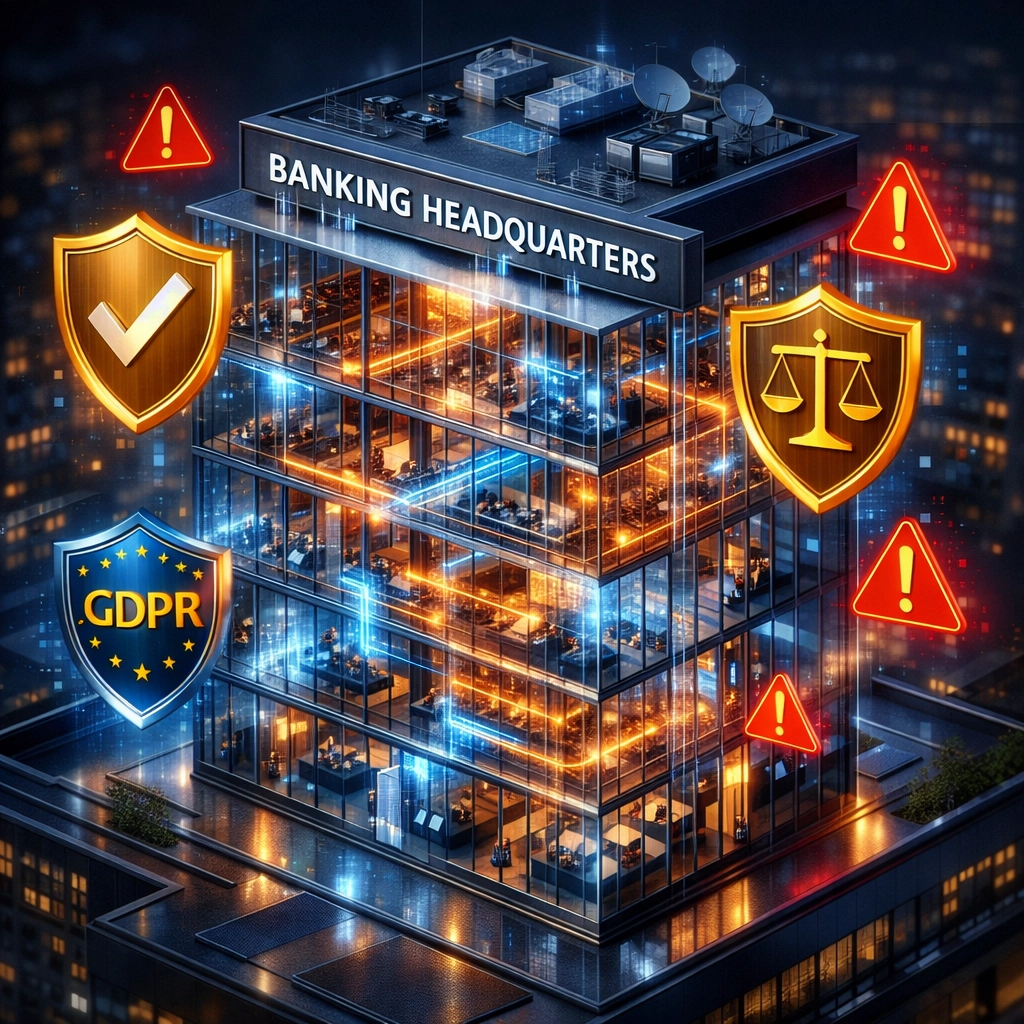
The regulation's scope is unprecedented. Every financial entity operating within the EU: from multinational banks to payment service providers: must demonstrate continuous operational resilience across their entire ICT infrastructure. This demands real-time visibility into IT operations, automated incident response capabilities, and comprehensive asset management that traditional approaches simply cannot deliver.
How ITOM Transforms DORA Compliance from Burden to Competitive Advantage
Through my work with European financial institutions, I've observed that ServiceNow's ITOM module provides the foundational framework necessary for meeting DORA's stringent requirements. The platform enables proactive incident detection and response while minimizing disruptions to critical functions: capabilities that regulators specifically evaluate during compliance assessments.
ServiceNow's ITOM capabilities deliver comprehensive monitoring and automation essential for managing ICT risk. The platform's Event Management functionality consolidates alerts from across your infrastructure, applying intelligent noise reduction to ensure your teams focus on genuine threats rather than drowning in false positives. This directly addresses DORA's requirements for proportionate monitoring arrangements.
The Discovery and Service Mapping capabilities within ITOM create an accurate, real-time configuration management database (CMDB) that maps every ICT asset, dependency, and business service relationship. This visibility is non-negotiable for DORA compliance: regulators expect you to demonstrate complete understanding of your technology estate and how disruptions cascade through your operations.
The Strategic Role of ServiceNow Implementation Partners
Achieving DORA compliance through ServiceNow implementation isn't simply about licensing software: it demands strategic architecture, process redesign, and integration expertise that only specialized ServiceNow consulting services can provide. Implementation partners bring proven methodologies that accelerate time-to-compliance while building sustainable operational resilience.

I've guided institutions through this transformation, and the approach follows a structured roadmap. First, we conduct comprehensive readiness assessments that identify compliance gaps against all DORA requirements, prioritizing them by regulatory risk and business impact. This assessment phase leverages ServiceNow's assessment framework to create a quantified baseline of your current state.
Next, we establish governance frameworks using ServiceNow's GRC (Governance, Risk, and Compliance) modules. This defines roles, responsibilities, and risk management strategies that align with DORA's expectations for senior management accountability. The platform's workflow engine ensures that accountability mechanisms are automated and auditable: critical when regulators request evidence of governance effectiveness.
Implementing Risk and Control Management That Satisfies Regulators
The implementation of ServiceNow's Integrated Risk Management (IRM) module represents a transformative step for financial institutions. IRM provides centralized risk management capabilities with automated control testing that continuously validates the effectiveness of your ICT risk controls. This moves organizations from periodic, manual compliance checks to continuous compliance validation.
I've witnessed the Washington DC release's enhanced IRM capabilities dramatically improve risk scoring accuracy. The platform's risk assessment templates can be customized to reflect DORA's specific risk criteria, ensuring that your risk registers directly map to regulatory requirements. Automated control testing schedules ensure that evidence of control effectiveness is always current and audit-ready.
The integration between IRM and ITOM creates unprecedented visibility. When your Discovery process identifies a new critical ICT asset, it automatically triggers risk assessments within IRM. When Event Management detects anomalies suggesting potential security incidents, it updates risk scores in real-time. This integration ensures your risk posture reflects operational reality, not outdated documentation.
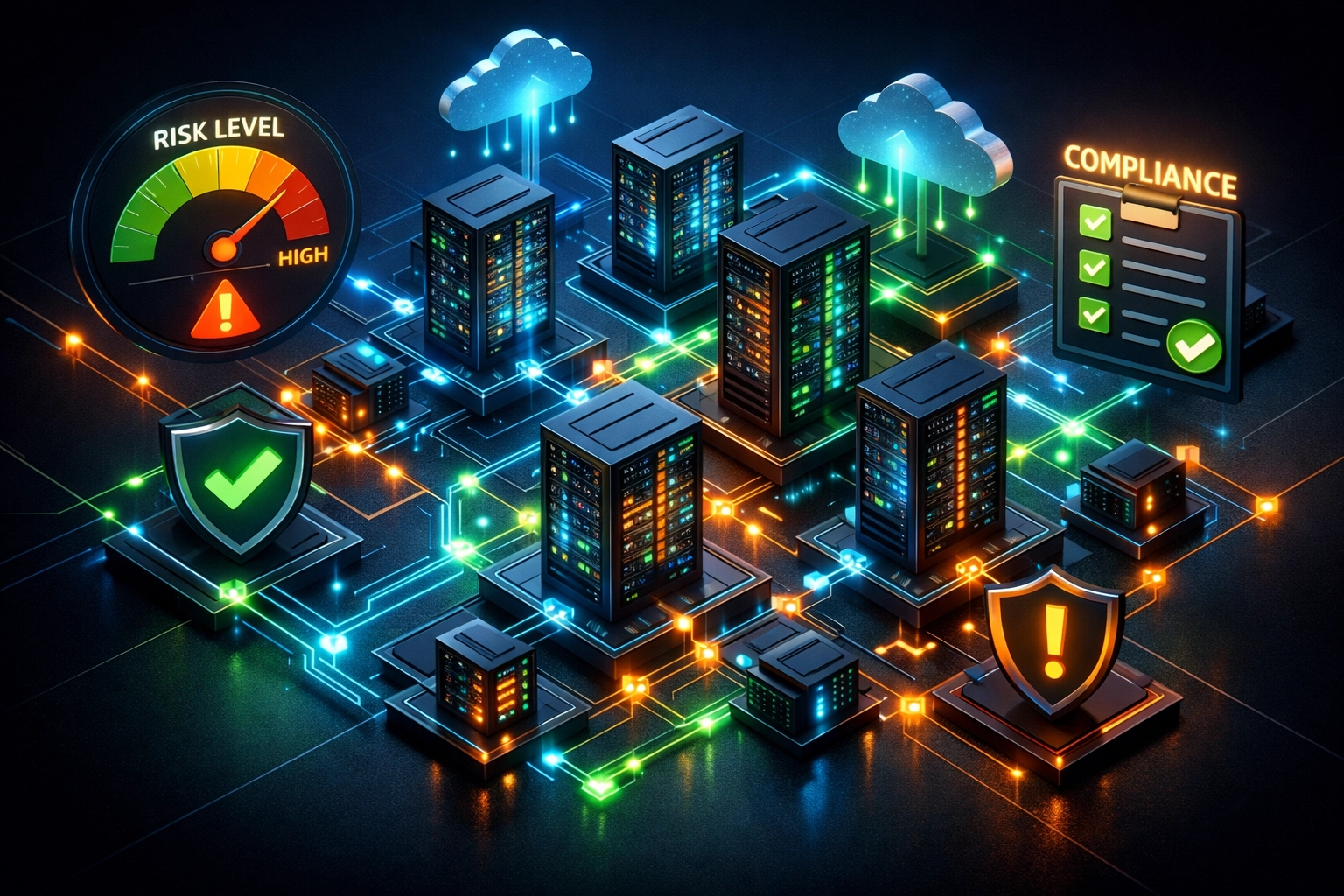
Streamlining Incident Response to Meet DORA's Strict Timelines
DORA imposes stringent incident classification and reporting timelines: major incidents must be reported to regulators within strict timeframes. ServiceNow's Security Incident Response module, integrated with ITOM, streamlines the identification, assessment, and remediation of vulnerabilities and incidents while automatically tracking compliance with reporting deadlines.
The platform's Major Incident Management process ensures that incidents are rapidly escalated, assigned to appropriate response teams, and resolved with full documentation of actions taken. Automated playbooks guide responders through DORA-compliant incident handling procedures, ensuring consistency and completeness regardless of which team members are managing the response.
Post-incident review workflows automatically capture lessons learned and update risk registers, creating the continuous improvement cycle that DORA requires. This capability transforms incident management from reactive firefighting into strategic resilience building.
ITAM: The Hidden Compliance Multiplier
While ITOM rightfully receives attention for operational resilience, IT Asset Management (ITAM) serves as a critical compliance multiplier that many organizations underestimate. DORA requires comprehensive inventories of all ICT assets and their dependencies: precisely what ServiceNow's ITAM module delivers.
ITAM provides complete lifecycle management of hardware, software, and cloud assets, maintaining the accurate asset registers that auditors expect. The platform tracks asset relationships, ownership, criticality, and compliance status, creating the comprehensive asset intelligence necessary for both DORA compliance and operational efficiency.
Integration between ITAM and ITOM ensures that asset data remains accurate through automated discovery and reconciliation. When Discovery identifies configuration changes, ITAM records are automatically updated, maintaining the single source of truth that regulators demand. This integration also supports DORA's requirements for ICT third-party risk management by tracking vendor relationships, contract terms, and service dependencies.
Operational Resilience Beyond Compliance
ServiceNow's Operational Resilience Management application enables organizations to automate compliance reporting accurately and within prescribed timelines, reducing operational costs related to ICT incidents while improving overall risk posture. The Common Service Data Model (CSDM) 5.0 provides a comprehensive framework for mapping business and IT services, allowing precise mapping of critical functions to their underlying ICT assets.

I've observed institutions reduce their mean time to detect (MTTD) incidents by up to 67% and mean time to resolve (MTTR) by 43% after implementing ServiceNow's integrated ITOM and operational resilience capabilities. These improvements translate directly to reduced regulatory risk: incidents detected and resolved faster have less impact on customers and are less likely to trigger major incident reporting requirements.
The platform's unified data model ensures that compliance reporting draws from the same operational data your teams use daily, eliminating the dual maintenance burden that plagues compliance programs. Automated reporting workflows generate the documentation that regulators expect while requiring minimal manual intervention.
Quantifying the ROI of DORA Compliance Investment
The cost of implementing comprehensive ITOM and ITAM capabilities through ServiceNow represents significant investment, but the financial case extends far beyond regulatory penalty avoidance. Organizations that have completed implementations report operational cost reductions averaging 23-31% through improved incident management efficiency, reduced manual compliance activities, and optimized asset utilization.
A mid-sized European payment processor I worked with calculated that their ServiceNow implementation delivered ROI within 14 months through a combination of avoided regulatory penalties, reduced operational costs, and improved service availability. The platform's automation capabilities eliminated approximately 4,200 hours of annual manual compliance documentation work, freeing compliance teams to focus on strategic risk management.
Taking Your Next Step Toward Seamless DORA Compliance
DORA compliance represents both challenge and opportunity. Organizations that approach it strategically: leveraging proven ServiceNow implementation partners and comprehensive ServiceNow consulting services: transform regulatory requirements into operational excellence that drives competitive advantage.
The path forward demands expertise in both ServiceNow's technical capabilities and DORA's regulatory requirements. This unique intersection of skills separates implementation partners who deliver sustainable compliance from those who create checkbox solutions that crumble under regulatory scrutiny.
Ready to transform DORA compliance from regulatory burden into competitive advantage? Visit the SnowGeek Solutions contact page to share your specific compliance challenges and project requirements. Our team of ServiceNow specialists will provide a customized assessment of how ITOM and ITAM implementations can address your unique regulatory landscape.
Additionally, register with SnowGeek Solutions to receive your Free 2026 ServiceNow ROI & License Audit: a comprehensive analysis that quantifies the business value of strategic ServiceNow investments while identifying optimization opportunities across your existing platform. This audit provides the data-driven foundation for building your business case and securing stakeholder buy-in for transformative compliance initiatives.
The January 2025 compliance deadline has passed, but regulatory scrutiny is just beginning. The institutions that will thrive are those taking action now to build inherent operational resilience through proven ServiceNow implementations. Your journey toward seamless DORA compliance and operational excellence starts today.
Comments